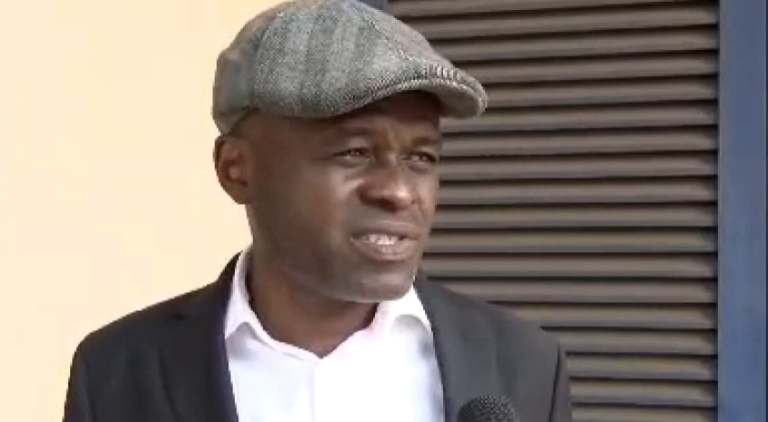

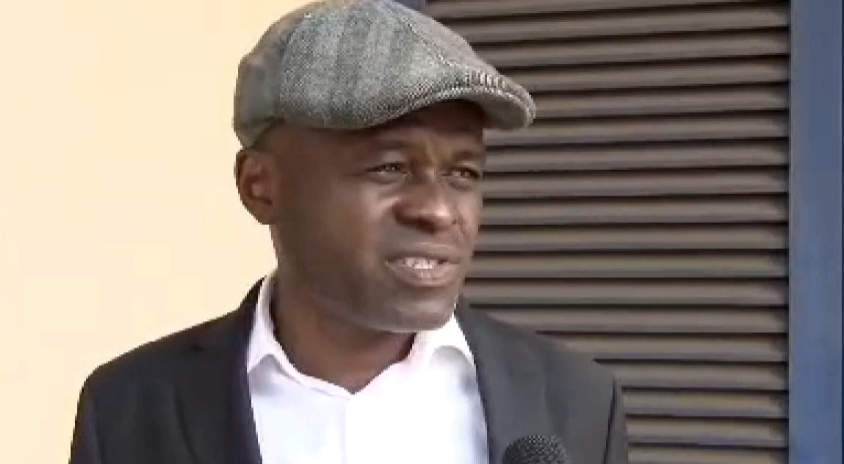
Martin Kpebu was detained after allegedly obstructing OSP officers in the lawful execution of their duties at the Office of the Special Prosecutor (OSP).
The incident happened at the gates of the security personnel who asked him to move on and reminded him that photography or videography was prohibited. Kpebu is said to have reacted angrily and allegedly insulted the guards.
After the detention, bail was granted, however, when his legal team returned to finalize bail formalities, they were told Kpebu was no longer at the OSP office. His whereabouts at that moment remained unclear.
Later in the day, he was reported released after “nearly five hours” in custody. His detention, under somewhat murky circumstances and questions around his missing from the office after bail, the “unknown location”, has raised serious concerns about due process, transparency, and the independence of anti-corruption institutions.
Martin Kpebu has in recent weeks been publicly critical of the Special Prosecutor and the OSP’s handling of high-profile corruption investigations.
He had previously insisted that any investigation into his own corruption allegations against the Special Prosecutor should be handled by an independent panel, not by officers directly subordinate to the Special Prosecutor.
Critics view the arrest as retaliatory — i.e. an attempt by the OSP establishment to silence a vocal critic.
Prominent legal voices have condemned what happened. For instance, Victor Kwadjoga Adawudu described the arrest and detention as “a clear blot” on the credibility of the OSP.
On the other hand, the OSP maintains the arrest was conducted “without force” and maintains that no assault or physical mistreatment occurred during the detention.
Meanwhile, some question the procedural legitimacy of detaining someone who came to cooperate — especially given the bail was granted but not honoured (in the sense that the person was nowhere to be found).
Why — beyond the “obstruction” allegation — was the decision taken to detain Kpebu rather than simply record the incident or allow bail on the spot? The explanation remains thin.
Where exactly was Kpebu held after being released from the OSP premises — there was some mention of him being moved to another facility (possibly National Intelligence Bureau (NIB) facility), but confirmation remains murky.
Whether this sets a precedent — many fear this case might chill dissent or discourage critics of powerful institutions, affecting public trust in anti-corruption bodies.
About the Author