

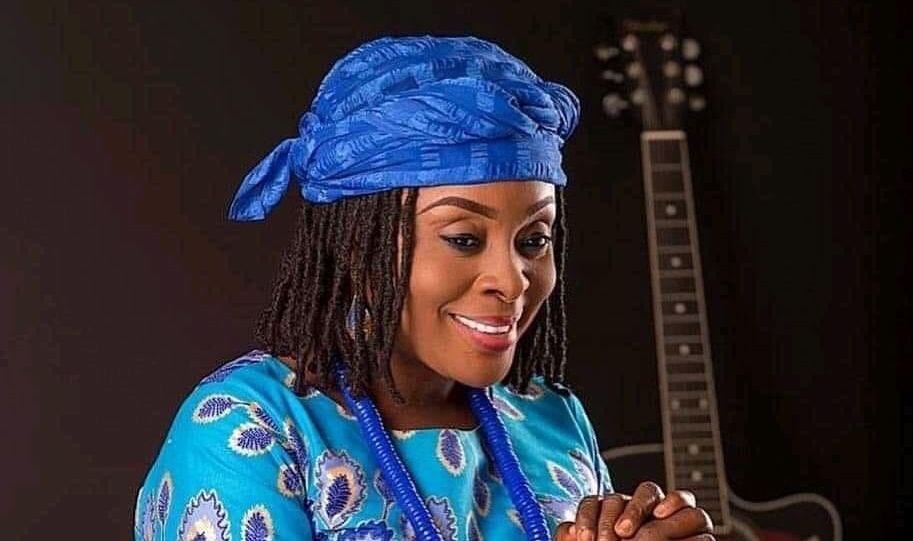
Veteran highlife musician Akosua Agyapong has reignited long-running concerns over royalty distribution in Ghana’s music industry, openly accusing the Ghana Music Rights Organisation (GHAMRO) and former MUSIGA President Bice Osei Kuffour, popularly known as Obour, of failing musicians—particularly ageing artists who depend on royalties for survival.
Speaking during a TikTok live broadcast on Sunday, February 1, 2026, the celebrated singer expressed deep frustration over what she described as years of unpaid royalties, alleging that GHAMRO has continued collecting money from musicians despite questions surrounding its licensing status.
According to her, the situation has left many artists financially stranded while funds meant for them are allegedly mismanaged.
“Why is this happening? This is our sweat and our money,” she lamented, questioning why musicians must suffer and die poor while others allegedly misuse the proceeds by building houses and purchasing expensive cars.
Her criticism extended beyond the institution to individuals she believes still wield influence within GHAMRO. Agyapong singled out Captain Adjetey, accusing him of remaining involved in the organisation’s affairs despite having formally retired.
She raised concerns about transparency, particularly regarding the signatories to GHAMRO’s accounts and the management of funds.
“Captain Adjetey, you say you are retired and I respect that,” she said. “But who are the signatories to our accounts? You are on pension, yet still deeply involved. Too much money is being embezzled.”
The highlife singer further alleged that both past and present executives of GHAMRO have repeatedly insulted her and avoided meetings meant to resolve outstanding royalty payments.
She disclosed that she was recently compelled to re-submit GH₵600 in royalty-related payments for some of her most popular recordings, despite previously settling those obligations.
In a separate broadcast, Akosua Agyapong turned her attention to Obour, accusing the former MUSIGA president of exploiting elderly musicians through fundraising dinners that, she claimed, offered little meaningful financial relief to struggling artists.
“You organised dinner events and sold tables in the name of supporting the aged,” she said. “But how much money did they actually receive?”
She alleged that musicians who visited Obour’s home seeking financial assistance were instead offered food and entertainment, leaving some disappointed because their needs were financial, not social.
“They came for money to survive, not because they were hungry,” she stated. “But instead, food was cooked for them and a party was held.”
Akosua Agyapong also claimed her personal appeals to Obour were ignored and that she was advised to pursue legal action rather than expect help from within the music industry.
Expressing disappointment in his leadership, she argued that Obour, as a fellow musician, had a responsibility to defend artists against what she described as entrenched injustices within GHAMRO.
“You are a musician, just like me,” she said. “Your duty was to fight for artistes, not to stand by while others take advantage of us.”
About the Author


