

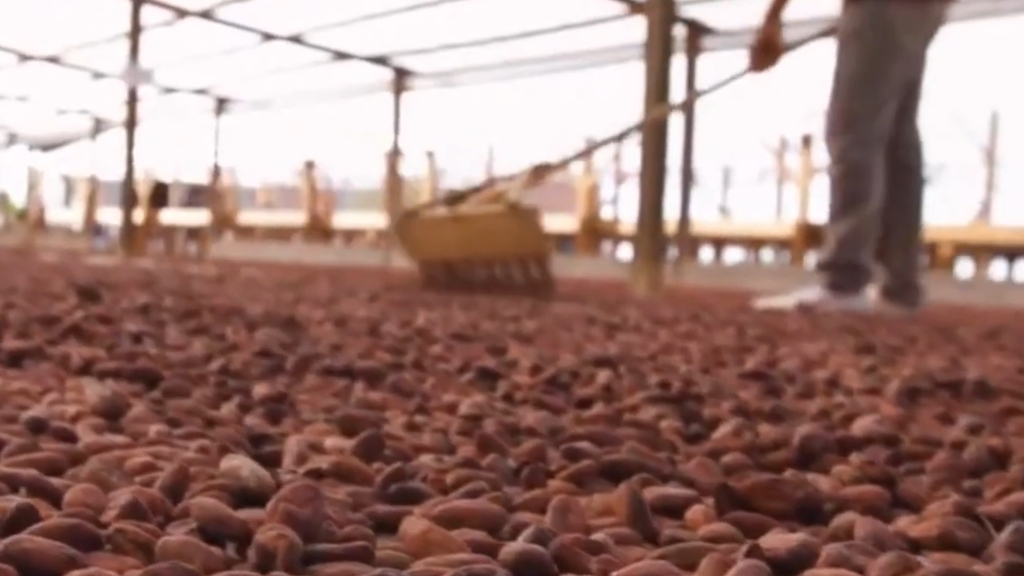
Dr. Cassiel Ato Forson has unveiled a new policy directive focused on significantly expanding local processing of cocoa beans
This is part of a broad effort to strengthen the cocoa sector and to revamp the cocoa industry after financial strains and decline in global cocoa prices.
The government has instructed that cocoa beans should be allocated mainly for domestic processing rather than export for the remainder of the 2025–2026 crop season.
Starting 2026–2027, at least 50% of Ghana’s cocoa beans must be processed locally. This is framed as a structural reform to increase value addition within the country.
The policy lets the Ghana Cocoa Board (COCOBOD) sell beans directly to local cocoa processors in any volume, removing past supply constraints that hindered processing expansion.
Finance and Trade Ministers held meetings with private-sector cocoa processors, who say they have both the capacity and willingness to handle more than 50% of output.
The government plans to revive the state-owned Cocoa Processing Company (CPC)** to become a leading local processor — boosting industrial capacity and competitiveness.
Processing cocoa domestically means more jobs, higher export earnings from semi-finished and finished products, and reduced dependence on raw bean exports.
Local processing creates employment across the value chain — from transportation and grinding to packaging and marketing. The CPC itself is expanding output and machinery in response.
A larger processing sector retains more economic value within Ghana, potentially stabilizing foreign exchange earnings and future investment.
The policy complements other government measures, including financing reforms using domestic cocoa bonds and efforts to restructure debt and stabilize cocoa pricing mechanisms.
Ghana is a major global cocoa producer (second only to Côte d’Ivoire) and cocoa remains a key foreign exchange earner and rural livelihood sector. The shift toward local processing is designed to modernize the industry, improve value retention, and boost jobs and industrial output.
About the Author