

The judicial process in the high-profile case involving social media figure Frederick Kumi, popularly known as Abu Trica, has reached a critical turning point after the Gbese High Court ruled that he can be extradited to the United States to face fraud-related charges.
The decision, delivered on March 27, 2026, effectively clears the legal pathway for his surrender to U.S. authorities, marking a significant development in a case that has spanned multiple arrests, court hearings and constitutional challenges.
However, the court granted Abu Trica a 15-day window to contest the ruling by filing the necessary legal documents, offering him one final opportunity within the judicial system to challenge the extradition order.
The ruling follows months of legal back-and-forth that began with his arrest on December 11, 2025, when Ghanaian security agencies apprehended him after an indictment was issued by the United States Attorney’s Office for the Northern District of Ohio.
Since then, the case has moved through different stages, including court appearances, remand orders, temporary discharge, re-arrest, and a separate human rights lawsuit filed by the accused.
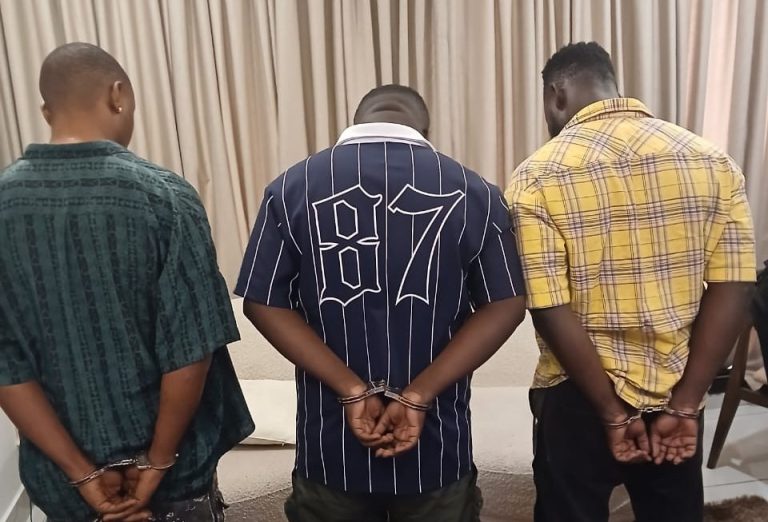
At Friday’s hearing, Abu Trica was seen leaving the court premises in handcuffs under heavy police escort, appearing visibly subdued—an image that contrasts sharply with the flamboyant lifestyle he once projected on social media.
According to U.S. prosecutors, Abu Trica is alleged to have been part of a transnational criminal syndicate that began operating in 2023, targeting elderly individuals across the United States through elaborate online romance scams.
The indictment claims that the group used artificial intelligence tools to create fake identities on social media and dating platforms, enabling them to build emotional relationships with victims before defrauding them.
Victims were reportedly persuaded to send substantial sums of money and valuables under false pretences, including fabricated medical emergencies, travel expenses and investment opportunities.
Authorities further allege that Abu Trica played a role in facilitating the movement and distribution of funds transferred from Ohio to accomplices in Ghana and other jurisdictions.
The High Court’s ruling comes after an earlier application by his legal team at the Gbese District Court was dismissed, reinforcing the court’s position that the legal requirements for extradition have been met, subject to any final challenge within the stipulated timeframe.
Beyond the criminal allegations, the case has evolved into a broader legal contest involving constitutional rights and international cooperation.
Abu Trica has filed suits against the Federal Bureau of Investigation (FBI), the Economic and Organised Crime Office (EOCO), the Narcotics Control Commission (NACOC) and other state institutions, alleging unlawful detention, coercion and violations of his fundamental human rights during his arrest and interrogation.
However, as the 15-day deadline begins, the focus now shifts to whether his legal team will succeed in overturning or delaying the extradition order.
If the ruling stands, Abu Trica will be handed over to U.S. authorities to face trial, potentially concluding one of the most closely watched extradition battles in recent years.
About the Author