

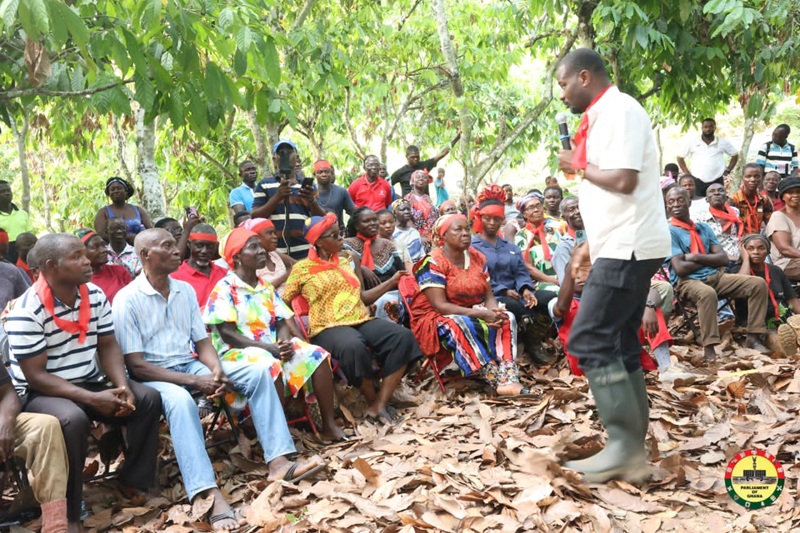
Tensions are escalating in the Ahafo Region as cocoa farmers in Kukuom, within the Asunafo South Municipality, have openly expressed anger toward their Member of Parliament and Minister for Food and Agriculture, Eric Opoku, accusing him of abandoning the constituency following the controversial cocoa price reduction.
The aggrieved farmers made the claims during an engagement with the Minority Caucus in Parliament, led by the Minority Chief Whip, Frank Annoh-Dompreh, as part of an ongoing nationwide tour of cocoa-growing communities.
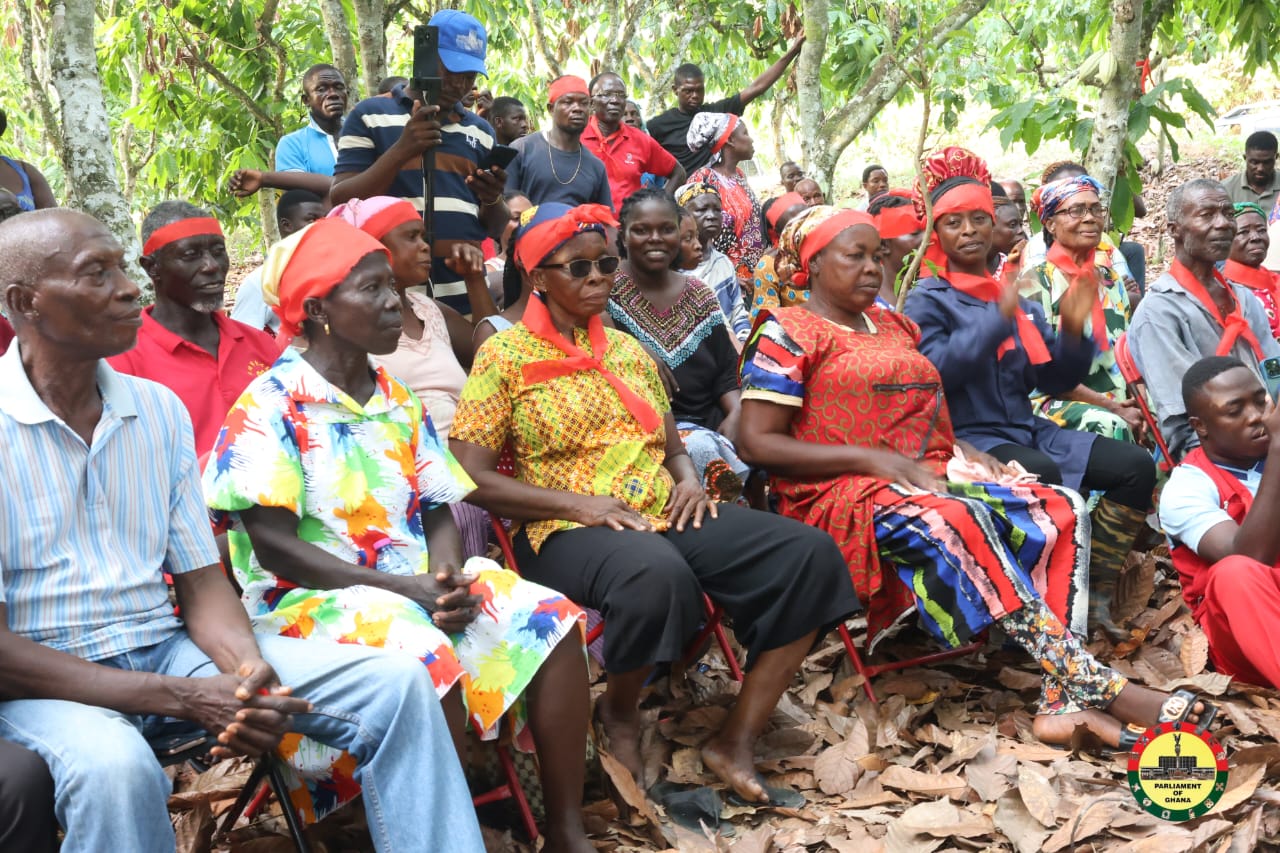
According to the farmers, the Minister has allegedly failed to grant them an audience or return to the constituency since the government announced a reduction in the cocoa producer price—deepening frustrations among residents who say they feel ignored and betrayed.
The development follows the National Democratic Congress government’s decision to cut the cocoa producer price from GH¢3,625 to GH¢2,587 per bag for the 2025/2026 season, a move authorities have defended as necessary due to financial distress within the Ghana Cocoa Board, declining yields, smuggling, and broader global market pressures.
However, the decision has sparked widespread backlash across cocoa-growing regions, with farmers insisting that the burden of sector challenges is being unfairly transferred onto them.
In Kukuom, the situation has taken a more personal turn, with farmers accusing Mr. Opoku of failing to honour campaign promises made ahead of the 2024 general elections.
They claim he assured them that a future National Democratic Congress (NDC) government would increase the cocoa producer price to as high as GH¢6,000 per bag.
Instead, they say, the price has been reduced significantly, leaving them worse off.
Some farmers described the Minister as now being a “stranger in his own constituency,” alleging that he has been absent since the announcement of the price cut and has not engaged them to explain the government’s position.
They are demanding that he return to the constituency to address their concerns and apologise for what they describe as misleading assurances.
The frustration among farmers is further compounded by delays in payments for cocoa that has already been supplied.
Many say they have not received the GH¢2,500 or GH¢2,587 per bag announced by the government, despite delivering their produce months ago. This has left several households struggling to meet basic needs, including food, healthcare, and school fees.
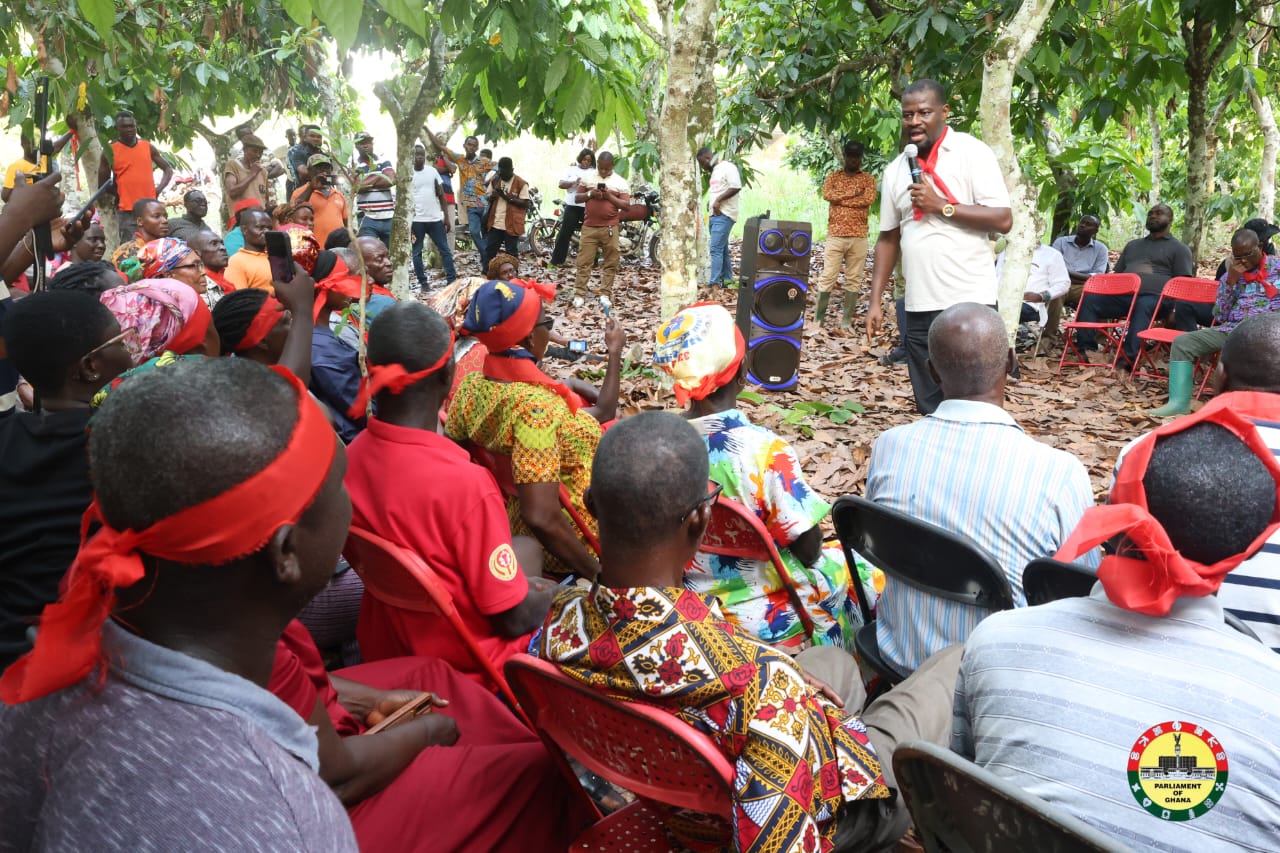
One of the most poignant accounts came from a 65-year-old visually impaired farmer, Asante Patrick, also known as Kwabena Anane, who said he has not been paid since December after sending his cocoa beans for purchase.
According to him, the situation has become so dire that he now depends on begging to survive.
“I have to beg before I can eat,” he lamented, highlighting the human cost of the ongoing crisis in the cocoa sector. His story reflects a broader pattern of hardship among farmers, some of whom say they have been forced to reduce their meals to once a day due to unpaid earnings.
While the government maintains that the price adjustment is part of broader reforms to stabilise the cocoa sector and ensure long-term sustainability, critics—including the Minority Caucus—argue that more should be done to cushion farmers in the short term.
The Minority Chief Whip, Frank Annoh-Dompreh reiterated calls for urgent intervention, insisting that farmers must not be made to suffer for systemic inefficiencies within the sector.
The unrest in Kukuom mirrors similar protests and grievances recorded in other cocoa-growing areas across the country, where farmers have accused the government of reneging on campaign promises.
About the Author