
Ghana’s economic growth is expected to be moderate in 2026, even as inflation remains within manageable levels, according to the latest Africa Economic Update released by the World Bank on April 8, 2026.
The report projects that the country will record a 4.8 percent Gross Domestic Product (GDP) growth rate, alongside an end-of-year inflation rate of 9 percent, painting a picture of cautious optimism amid global uncertainties.
The projected growth rate aligns closely with estimates presented in the government’s 2026 budget, signaling a degree of policy consistency between national authorities and international financial institutions.
However, the outlook represents a noticeable slowdown compared to 2025, when Ghana recorded a stronger end-year growth rate of 6 percent. While the report does not explicitly outline the drivers of the anticipated moderation, government officials had earlier indicated that external risks—particularly global economic headwinds—would influence projections for the year.
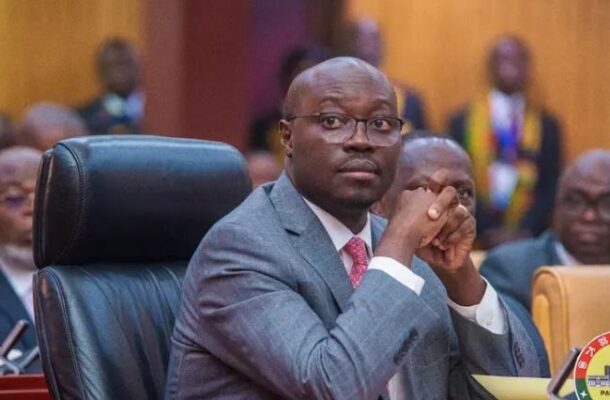
Inflation is expected to remain within single digits, with the World Bank forecasting a 9 percent rate by the end of 2026. This figure is slightly above the 8 percent target set by Finance Minister Cassiel Ato Forson, suggesting potential upside risks in the inflation trajectory.
Although inflation stood at a relatively low 3.2 percent as of March 2026, analysts warn that price pressures could intensify in the short term before easing toward the year-end target.
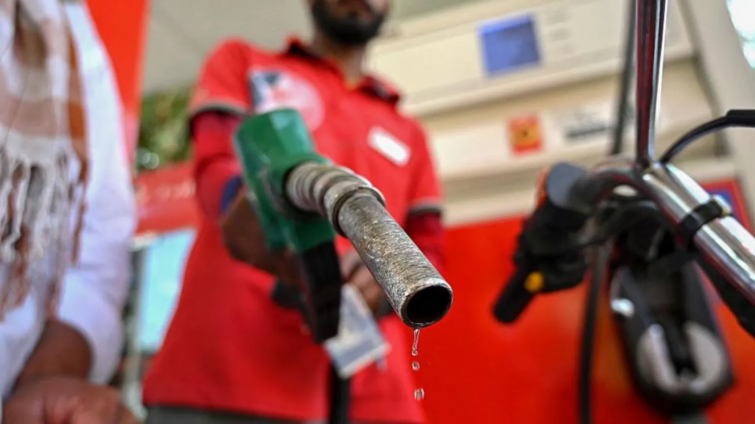
Key among these concerns are developments in the Middle East, where rising geopolitical tensions have triggered increases in global petroleum prices.
These external shocks could feed into domestic inflation through higher transport and energy costs. Despite this, most projections still point to Ghana maintaining single-digit inflation by the close of the year, reflecting improved macroeconomic management and relative currency stability.
Beyond Ghana, the World Bank report highlights broader trends across Sub-Saharan Africa, where growth is projected at 4.1 percent in 2026—unchanged from 2025 levels. However, this regional outlook masks growing vulnerabilities.
The Bank noted that the region’s recovery from successive global shocks is gradually losing momentum, with growth forecasts revised downward by 0.3 percentage points compared to its October 2025 projections.
Domestic demand remains a key pillar supporting growth across the region, driven largely by private consumption and investment. This has been complemented by relatively accommodative monetary policies and improving external conditions. A weaker U.S. dollar, for instance, has helped ease inflationary pressures while boosting household purchasing power in several African economies.
Commodity prices have also played a supportive role. Elevated prices for key exports such as cocoa and coffee contributed significantly to revenue generation in 2025 and are expected to strengthen fiscal and external balances in resource-rich countries like Ghana. These gains, however, are being offset by mounting structural and external risks.
The report underscores that rising geopolitical tensions—particularly in the Middle East—pose a significant threat to global and regional stability. Escalating conflicts have led to attacks on critical energy infrastructure and disruptions in global shipping routes, increasing uncertainty in international markets.
At the same time, many African economies continue to grapple with high debt-servicing obligations, which constrain fiscal space and limit the ability of governments to invest in growth-enhancing sectors.
For Ghana, the interplay between these global risks and domestic policy choices will be critical in shaping economic outcomes in 2026. While the projected slowdown in growth reflects a more cautious economic environment, the maintenance of single-digit inflation offers some reassurance of stability.
About the Author