
The Minister of State for Climate Change and Sustainability, Seidu Issifu, has disclosed that Ghana will require an estimated $22.6 billion to effectively tackle the country’s growing climate challenges and implement long-term environmental protection measures.
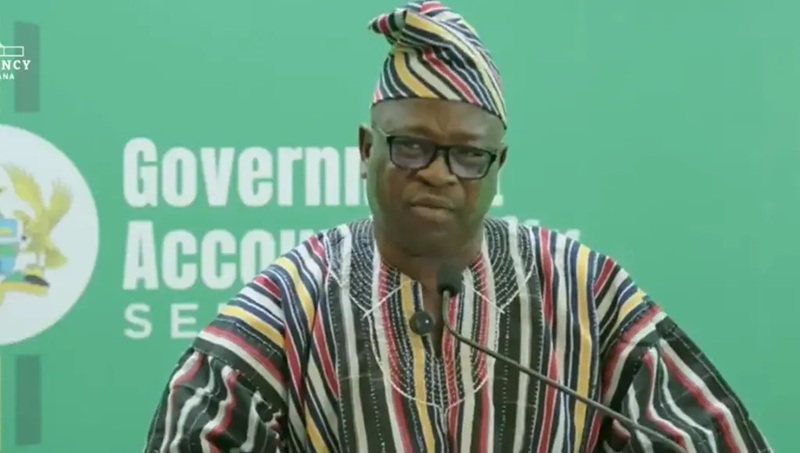
Speaking during the Government Accountability Series, the minister said the huge financial requirement reflects the scale of interventions needed to strengthen climate resilience, protect vulnerable communities, and support sustainable development across the country.
According to him, Ghana cannot independently raise the amount required to address the increasing threats posed by climate change, including flooding, drought, coastal erosion, desertification, food insecurity, and environmental degradation.
He stressed that international cooperation and climate financing remain critical to the country’s climate agenda.
The minister explained that government is actively pursuing strategic partnerships with international development organisations and donor institutions to mobilise financial support for climate adaptation and mitigation programmes.
Among the key partners being engaged is the European Union, which the minister described as an important collaborator in the efforts to secure climate financing and implement sustainable environmental initiatives.
“We cannot do it alone. Ghana requires about $22.6 billion to take care of its climate needs. We cannot raise it by ourselves. We need strategic partners to be able to do that,” the minister stated.
The announcement comes amid increasing concern over the impact of climate change on Ghana’s economy and livelihoods, particularly in agriculture-dependent communities where erratic rainfall patterns, rising temperatures, and flooding continue to affect food production and incomes.
Over the years, Ghana has faced repeated climate-related disasters, including severe flooding in urban centres such as Accra and prolonged dry conditions in parts of northern Ghana, raising concerns about preparedness and infrastructure resilience.
Climate experts have consistently warned that developing countries like Ghana face disproportionate environmental risks despite contributing relatively little to global carbon emissions.
As a result, African governments have increasingly called for stronger global climate financing mechanisms to support adaptation efforts.
The minister’s remarks also align with the broader sustainability commitments under international climate agreements, including efforts to reduce emissions, promote renewable energy, improve waste management, and restore degraded ecosystems.
Reports said the estimated $22.6 billion requirement highlights both the urgency and financial burden of climate action in Ghana, especially at a time when governments across Africa are balancing environmental priorities with economic pressures and debt challenges.
Despite the funding gap, government officials insist Ghana remains committed to advancing climate policies and building resilient systems capable of protecting communities and supporting long-term economic growth.
About the Author