
Ghanaian-American filmmaker Leila Jewel Djansi has questioned why wealthy African churches continue to spend heavily on chapels, church hotels and Bible schools instead of funding hospitals, schools, medical research and rehabilitation centres.
In a lengthy Facebook post, Djansi said Africans often turn to prayer and “seed” giving during serious illness, yet travel abroad when they require advanced medical treatment.
She referred to the late TB Joshua, who was flown by air ambulance to Turkey after suffering a stroke, while stroke patients waited at his church seeking healing.
“Meanwhile, my people send ‘seed’ to NPSSD for strokes and other diseases whispered through an earpiece, while the pastor cashes in on YouTube views and foreign remittances,” she wrote.
Djansi said she had “no hate” for religious practices and respected them if they helped Christians develop a consistent prayer life. However, she described stroke care in Ghana, and across Africa, as a much more serious issue.
Recalling her sister’s experience at a dedicated 15-bed stroke unit, she corrected the figure to 15 rather than 24 and wrote: “So in Africa, we pray. Oh… Do we pray. For hours! Travail!”
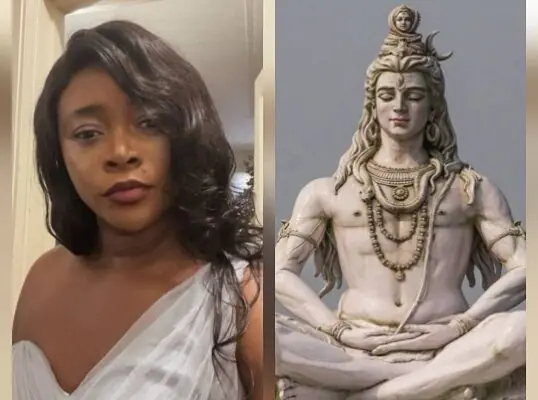
She then questioned why Africans frequently travel to India for cancer treatment, despite the presence of religious imagery associated with Shiva, Goddess Kali, Krishna and Buddha.
“How did the people we believe are worshipping the wrong gods know to build hospitals?” she asked, referring to the gods some Christians “cast and bind” during midnight prayers.
Djansi noted that India’s facilities include research hospitals, medical schools, cancer centres, laboratories and specialist institutions capable of heart, liver and bone-marrow transplants.
“How did people whose theology we condemn build institutions whose medicine we trust with our lives?” she wrote.
She said churches, religious orders and other faith-based organisations had helped establish hospitals and schools in the United States, with the state regulating those institutions.
“So why can’t we? Or Why aren’t we?” she asked.
Djansi argued that African churches could build hospitals and schools, train doctors and nurses, finance research and establish rehabilitation centres that would continue serving communities after their founders had died. Instead, she questioned the construction of massive chapels, church hotels and Bible schools that could eventually be inherited by pastors’ children.
“They’re doing the ‘work of God’ by building chapels. Not children’s cancer research hospitals,” she wrote, citing Acts 17:24.
She also mentioned more than 644,000 foreign arrivals in India for medical purposes in 2024, and said “Aba’s” cancer treatment in the United States cost $2.3 million but was covered by insurance established by a faith-based Baptist corporation.
Djansi criticised “cancer seed” being used to fund a pastor’s Range Rover while patients rely on medical systems built by others. She added, jokingly, that a scrub nurse treating someone in the United States could be LGBT.
Despite her criticism, she said she would continue to celebrate the Catholic and Adventist churches for their contributions to education and healthcare. She recalled seeing a chapel in the lobby of an Adventist hospital in Simi Valley while scouting it for a film.
“Because the chapel and the hospital do not have to be competing ideas,” she wrote.
She also recalled the Catholic chapel on the Korle Bu grounds, where a priest visited wards at 4 p.m. to pray for patients, saying she cried many tears there.
Djansi said people should continue praying and giving, but demand that their “seed” produce lasting benefits by supporting hospitals, laboratories, schools, medical training, research and rehabilitation for stroke survivors.
“May your seed pay it forward,” she wrote, citing Matthew 25:35–40 and saying such institutions could also become a way of sharing Christ.
She ended with the question: “Jesus, this trumpet… you don’t have air in your lungs???”
Returning to her central argument, she added: “That Indian Dr. treating your dad? That’s his god.”
About the Author