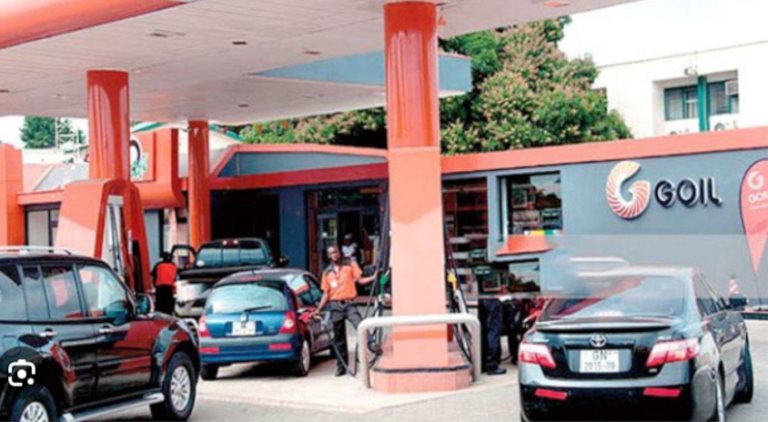

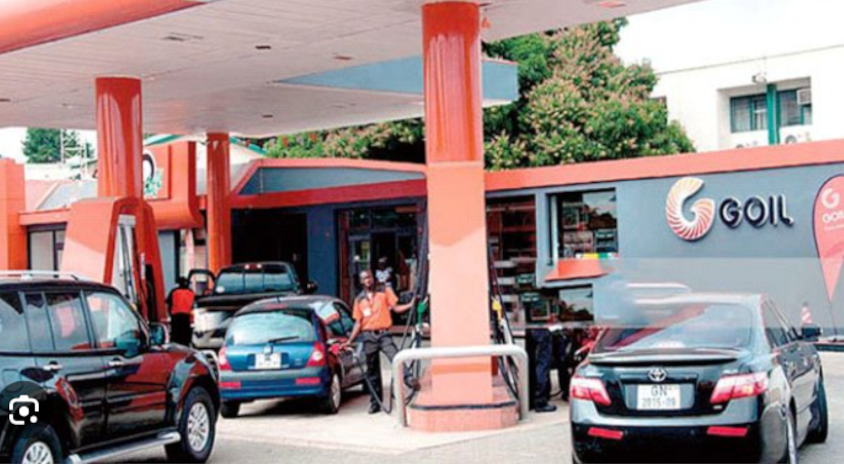
Renewed pressure on the cedi has pushed pump prices higher for motorists and households. The adjustment marks the continuation of cost pressures shaped by global market uncertainty, tight diesel supply and growing end of year foreign exchange demand.
Its been projected that petrol prices would rise between 1.97 percent and 3.30 percent, placing the average pump price around 12.91 cedis per litre.
Diesel faces a slightly sharper increase of 2.85 percent to 5.15 percent, which could lift prices to approximately 13.37 cedis per litre.
Liquefied Petroleum Gas (LPG), which has seen relatively stable pricing in recent months, is set for an increase of up to 3.10 percent per kilogram, pushing the average price to 13.80 cedis.
The adjustments take effect during the first pricing window of December, following a deregulated pricing system that allows oil marketing companies to set their own rates based on international market conditions and local factors.
International prices of refined petroleum products have continued climbing over recent weeks. Data compiled by COMAC showed that petrol increased by 1.26 percent, diesel rose by 2.28 percent, and LPG edged up by 0.07 percent during the previous pricing window.
Diesel remains a particular concern globally, with supply uncertainties widening the price gap and signaling further firming in coming days.
Local pricing dynamics are being further squeezed by the cedi’s renewed weakness against the United States dollar. The currency slipped from 10.94 cedis to 11.14 cedis per dollar, representing a 1.76 percent depreciation over the past two weeks.
This decline has raised import costs for oil marketing companies and amplified the impact of international price movements on local pump prices.
Analysts attribute the recent pressure on the Ghana cedi to rising corporate foreign exchange demand and end of year pressures.
The latest dip follows a period of elevated corporate dollar needs and the typical seasonal rush for foreign currency, conditions that continue shaping the broader energy pricing outlook as businesses settle year end obligations.
The increase affects millions of Ghanaian consumers who rely on petroleum products for transportation, cooking and business operations. Transport operators, who typically adjust fares in response to significant fuel price changes, may face pressure to raise ticket prices if the increases prove substantial enough to impact operating costs materially.
Ghana’s fuel pricing system was deregulated to allow market forces to determine pump prices rather than government subsidies. This approach aims to reflect true costs but also means consumers directly experience international market volatility and currency fluctuations. The National Petroleum Authority oversees the sector and ensures companies comply with pricing guidelines and quality standards.
A sustained recovery of the local currency will be key to tempering further increases in upcoming pricing windows, according to industry observers. The Bank of Ghana has implemented various measures to stabilize the cedi, including foreign exchange auctions for bulk oil distribution companies, though the effectiveness of these interventions remains subject to broader economic conditions and external pressures.
The global energy landscape continues experiencing volatility related to geopolitical tensions, production decisions by major oil exporting nations and shifting demand patterns. These international factors, combined with domestic currency dynamics, create an environment where fuel prices in import dependent countries like Ghana face ongoing upward pressure absent significant policy interventions or favorable market shifts.
About the Author