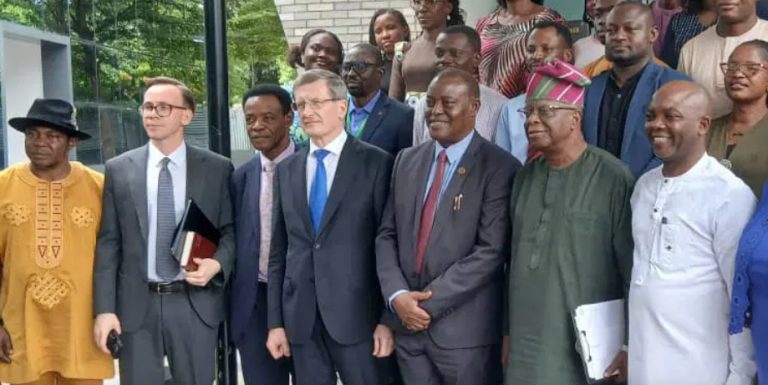

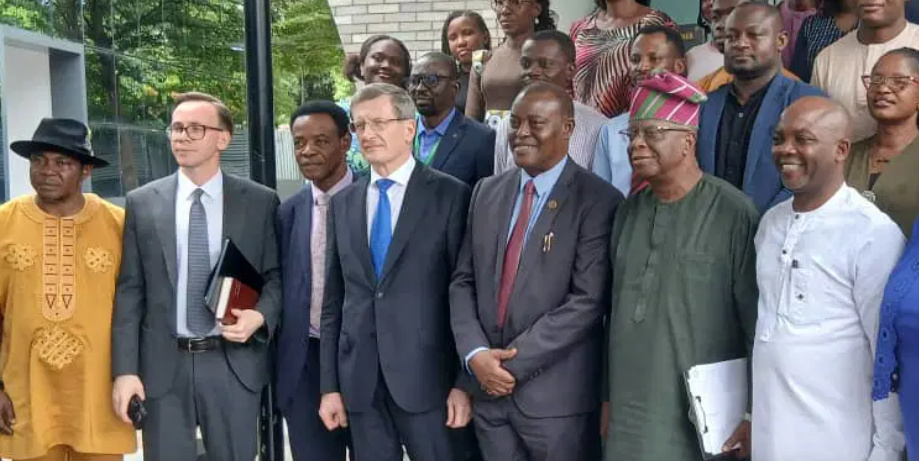
Russia has committed to reviving economic cooperation with Nigeria with plan to reactivate the Intergovernmental Joint Commission on Economic, Scientific and Technical Cooperation (IJC-ESTC) to help “fast-track” bilateral projects.
Russia has identified Nigeria’s needs and opportunities in several key areas. First and foremost are the energy, mining and natural-resources extraction sectors been highlighted as priority.
Russia has also proposed cooperation in agriculture, potentially offering technology, expertise, or input supply to help diversify Nigeria’s economy beyond oil.
Other areas been considered include technology transfers, transport & Infrastructure collaborations and manufacturing & industrial projects.
The economic hub in Lagos has expressed readiness in exploring energy-solutions (e.g. solar, floatable/potentially nuclear-powered plants) and cooperation in infrastructure, city-management, and trade zones.
Nigeria could benefit from Russian investment/technology especially in energy, mining, agriculture and manufacturing, aiding economic diversification away from over-dependence on oil.
Infrastructure & industrial deals could revive stalled projects such as steel manufacturing which create jobs, and build new infrastructure.
Russia’s technical capacities in sectors like energy, mining and heavy industry, combined with Nigeria’s large population and resource base, might yield significant gains.
Since Nigeria is now a partner in BRICS, closer relations with Russia could translate into more stable long-term cooperation, financing, and trade flows.
The push comes as the two countries celebrate 65 years of diplomatic relations, an anniversary used as a moment to reset and relaunch economic cooperation.
Next steps will likely involve reactivating the joint commission, negotiating concrete investment/development deals, institutionalizing cooperation in sectors named above, and rolling out pilot projects (e.g. in energy, agriculture, infrastructure).
About the Author