

The Governor of the Bank of Ghana, Dr Johnson Asiama, has defended the decision to cancel the Gold-for-Oil (G4O) programme in March 2025.
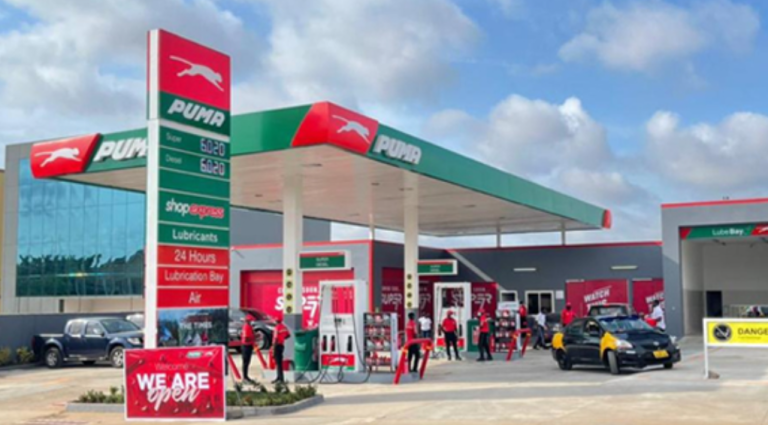
He told Parliament’s Public Accounts Committee that one of the government policy’s main goals of ending fuel shortages and long queues at petrol stations, has been achieved since cancellation, with no significant buildup at pumps.
Dr Johnson Asiama has acknowledged the operational challenges and financial issues, which were a key reason for the Gold-for-Oil termination.
The Bank of Ghana’s Board has commissioned an external audit into the programme’s operations, with approval from the Public Procurement Authority obtained months ago and the audit currently in progress.
While supporting the cancellation of G4O, the Governor stressed that the Gold-for-Reserves (G4R) initiative shouldn’t be shut down but reformed to improve efficiency and boost foreign exchange reserves.
He noted that available data suggests the G4R programme remains viable, but requires targeted reforms to eliminate inefficiencies and enhance outcomes.
Beyond just central bank action, Asiama has also called for unified national action to reform Ghana’s gold trading and export framework, engaging stakeholders across the sector to curb leakages and strengthen reserve accumulation.
The Gold-for-Oil policy, which substituted gold for foreign exchange to pay for petroleum imports, was initially introduced to ease FX pressures and fuel shortages. It was formally suspended by the new BoG leadership in March-2025 following reports of losses and implementation challenges.
Despite the significant losses, the Bank of Ghana has defended the DGPP as a strategic tool for maintaining currency stability and serving as a reserve buffer.
The central bank also noted preliminary data for 2025 gold purchases (110.99 tonnes total, with 100.6 tonnes from ASM sectors, valued at about US$11.4 billion) but said this is subject to external audit confirmation.
Civil society figures have used the RTI mechanism to demand a detailed breakdown of annual purchases, values, and profit/loss statements relating to the DGPP and related Gold-for-Reserves (G4R) initiatives for clearer public accountability.
About the Author