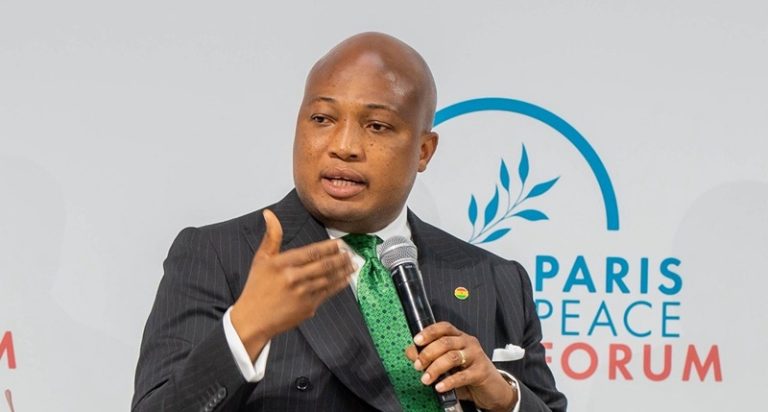

The Executive Director of the Chamber of Petroleum Consumers (COPEC), Duncan Amoah, has urged the National Petroleum Authority (NPA) to reconsider its practice of publishing fuel price floors, warning that the move could encourage fuel retailers to increase prices.
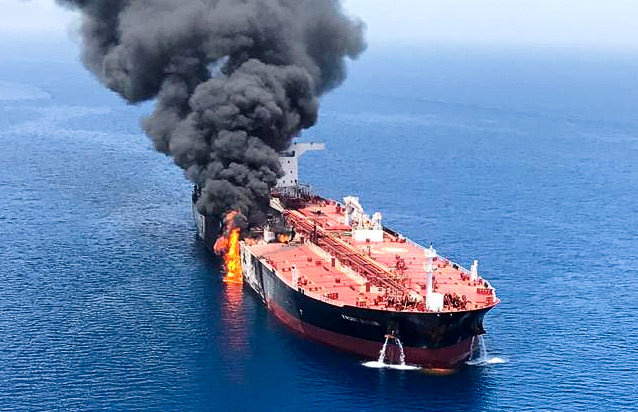
His comments follow the NPA’s announcement of the second pricing window for March 2026, which projects notable increases in the prices of petrol, diesel, and liquefied petroleum gas (LPG). The anticipated hikes have been attributed to rising global fuel costs linked to tensions in the Middle East.
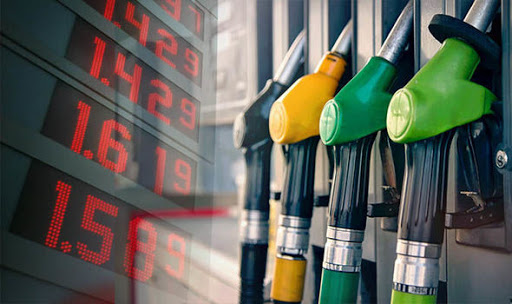
According to the revised minimum ex-pump prices released by the regulator, petrol is expected to rise from GH¢10.46 to GH¢11.57 per litre. Diesel prices are projected to increase from GH¢11.42 to GH¢14.35 per litre, while LPG will move from GH¢9.38 to GH¢10.67 per kilogramme. This represents increases of GH¢1.11 for petrol, GH¢2.93 for diesel, and GH¢1.29 for LPG within the same month.
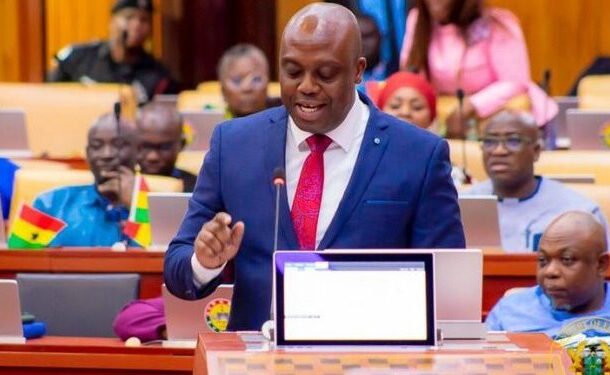
Speaking on Channel One NewsFeed on Friday, March 13, 2026, Mr. Amoah argued that the publication of price floors by the NPA may inadvertently signal to industry players that price increases are imminent.
“Personally, I think the NPA should desist from publishing the price floor. Once the authority begins publishing or announcing such figures, it essentially signals to the industry that prices are either going up or coming down. In my view, that practice should not be encouraged,” he said.
Mr. Amoah acknowledged that the Middle East conflict is likely to influence global fuel prices. However, he noted that Ghana could better manage domestic fuel costs if state-owned strategic reserves were utilised more effectively.
He explained that while reports indicate the country has about six weeks’ worth of fuel stock, much of it belongs to private importers.
According to him, private operators who anticipate higher replacement costs may be reluctant to sell their existing stock at lower prices.
Mr. Amoah therefore suggested that government agencies such as the Bulk Oil Storage and Transportation Company (BOST), Tema Oil Refinery (TOR), and Ghana National Gas Company should be used more strategically to maintain state-controlled reserves.
He said building and utilising such reserves would allow the government to stabilise prices during global supply disruptions rather than relying solely on privately owned fuel stocks.
Mr. Amoah stressed that strengthening the country’s strategic reserves would help cushion consumers against sudden fuel price increases triggered by international conflicts or supply challenges.
About the Author