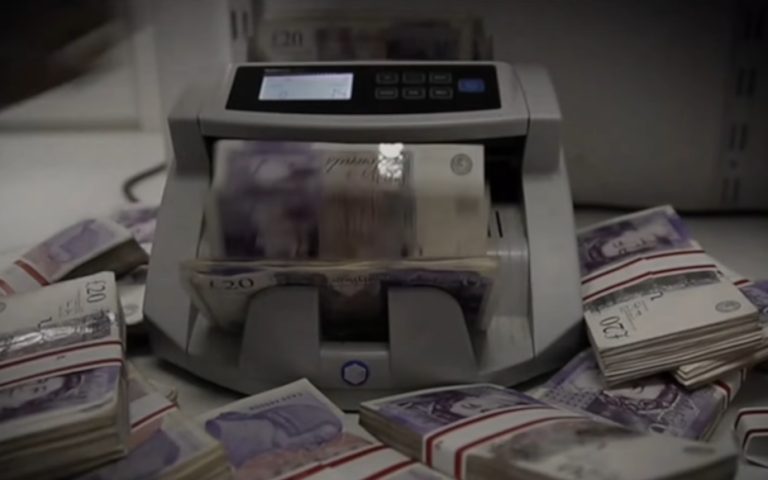

Police force across England and Wales are warning the public that counterfeit £20 notes are in circulation. Officers warn these notes are worthless and urge people to be vigilant.
Police have received reports of people trying to pay for goods with fake notes, affecting shops, cafés and private sellers. They stress that private sellers are especially vulnerable if they don’t have ways to verify cash authenticity.
Similar reports have also come from Police in Scotland, with scammers allegedly using fake £20 notes to try to buy items like iPhones from marketplace adverts.
Police are telling the public to learn how to spot fake £20 notes, reminding people to check for key security features on polymer £20 notes before accepting them.
The hologram should alternate between “Twenty” and “Pounds” when tilted, Look for clear, sharp images in the see-through parts. Real bank notes have raised text (like “Bank of England”) you can feel.
Genuine bank notes feel smooth and crisp-printed; blurry or soft edges can be a sign of fakes. Police have noted specific serials on some counterfeits (e.g., YA09 592802, DK57 985923).
The general advice if you encounter a fake note is not to confront the person handing it over if you feel unsafe. If possible, retain the note and record useful details like descriptions of individuals or vehicles.
Report it to police by calling 101 or using the relevant force’s online reporting tools. Businesses should also notify their bank if they receive a suspected counterfeit.
Police warnings like these are aimed at preventing fraud and protecting both businesses and private sellers from unknowingly accepting fake cash.
About the Author