
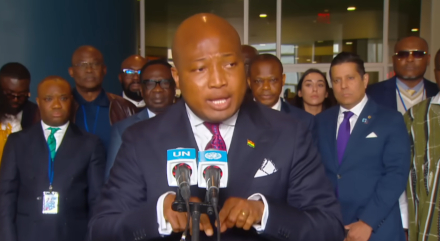
The United Kingdom did not support Ghana’s modern resolutions on slavery, voted on at the United Nations.
The colonial master’s decision is tied to a mix of historical, political, and legal factors rather than a simple refusal to acknowledge the past.
Fear of Reparations Claims
The United Kingdom was a major participant in the transatlantic slave trade and colonial rule in Ghana, formerly the Gold Coast.
Supporting strong resolutions that label slavery as a crime requiring redress could strengthen legal arguments for financial reparations and open the door to lawsuits or compensation demands from former colonies.
Legal Liability & Precedent
Governments are cautious about language in international resolutions. If slavery is framed in a way that implies ongoing legal responsibility, it could create binding precedents in international law and could be used in courts (even decades later).
So countries often prefer “acknowledgment” and “regret” instead of legally loaded terms like “compensation” or “liability”.
In the UK, public opinion is divided on how far governments should go in addressing historical injustices.
The UK still maintain good relations with African and Caribbean nations, avoiding commitments that could have economic or legal consequences and has expressed “deep regret” but stopped short of a full legal apology
About the Author