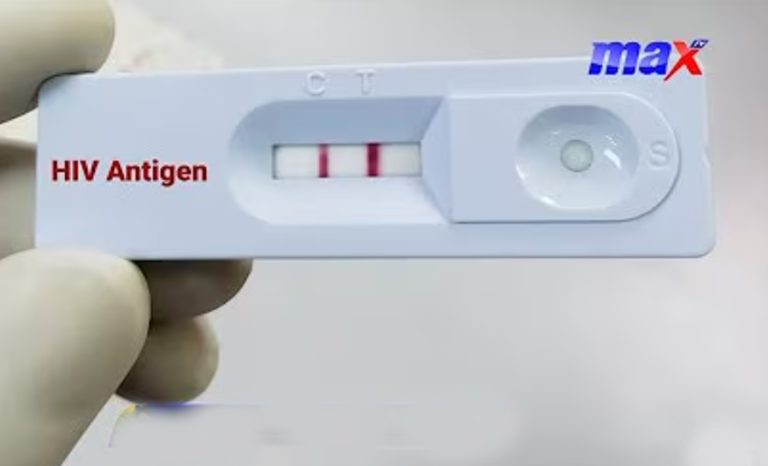

The Ghana Health Improvement Access Network (GHIAN) has urged a stronger focus on HIV testing, public education, and sustained engagement in care, noting that treatment success alone isn’t enough to end the epidemic.
The Health experts highlighted that public HIV education campaigns have declined compared to the early 2000s, and most HIV information today is concentrated within ART (antiretroviral therapy) clinics rather than broader community settings, which contributes to low awareness and ongoing stigma.
Late diagnosis, HIV-related stigma, weak linkage to care, and loss to follow-up were identified as persistent challenges undermining Ghana’s HIV response, even as more people achieve viral suppression with treatment.
Experts underscored that many people aren’t rejecting services, they are constrained by systemic issues like fear of disclosure, long travel distances, transport costs, and under-resourced referral systems.
Ghana still sees an estimated 50 new HIV infections daily, and only around 68% of people living with HIV know their status, indicating testing gaps in the care cascade. Retention in care also suffers, with nearly 30% of clients lost to follow-up** due to barriers like cost and stigma.
Experts shared a set of practical recommendations to strengthen Ghana’s HIV response, including:
* Electronic HIV testing and surveillance systems to prevent duplicate testing
* Expansion of self-testing and community-based testing at strategic sites
* HIV education and counselling skills training** across all health departments
* Use of digital tools (SMS reminders, WhatsApp follow-ups, peer support networks) to improve retention and person-centred care
* Strengthening partnerships with Models of Hope and peer supporters to provide continuity of care
* Policy and advocacy work to address funding gaps and incorporate HIV services into the broader health system
Florence Gyembuzie Wongnaah, CEO of the Ghana Health Improvement Access Network, stressed that sustaining progress requires joint efforts from government, development partners, communities, and health professionals, with a stronger emphasis on testing, education, system readiness, and person-centred policies.
While the Experts focused on current gaps and solutions, Ghana’s national HIV response framework already prioritises testing and linkage to care as essential components of HIV control.
For example:
Ghana’s HIV Testing and Counselling Services guidelines emphasise pre- and post-test education and linkages to care, including community and facility-based approaches.
National efforts and research also support HIV self-testing and innovative approaches to expand testing coverage and access.
About the Author