
Manhyia Government Hospital has recorded zero cases of leprosy for more than five consecutive years, a development health officials describe as a strong indicator of sustained progress in disease prevention, early detection, and public health education within its catchment area.
Hospital authorities attribute the milestone to improved surveillance systems, routine community outreach, and early referral mechanisms embedded across primary healthcare facilities in Kumasi and surrounding communities. According to clinicians at the facility, suspected skin and nerve conditions are promptly assessed, reducing the likelihood that leprosy cases go undiagnosed or present late with complications.
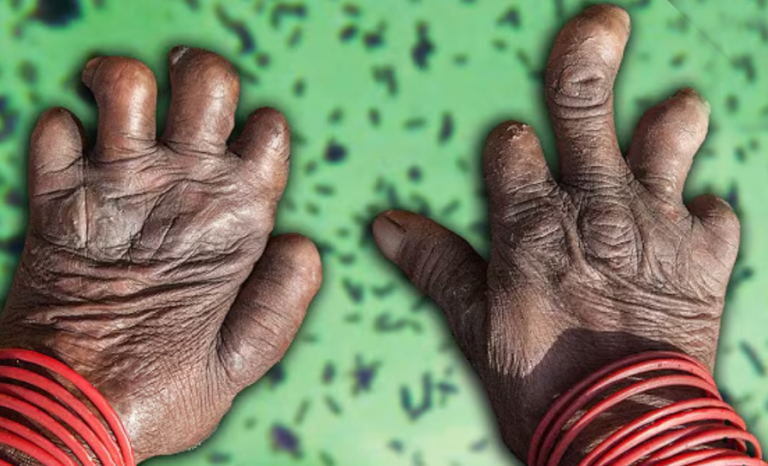
Leprosy—also known as Hansen’s disease—is a chronic but curable infectious disease. When detected early, treatment is highly effective and prevents long-term disability. The absence of recorded cases at Manhyia Hospital over such an extended period suggests that public awareness campaigns and training for frontline health workers are paying off, particularly in recognizing early symptoms and reducing stigma that can delay care-seeking.
Public health officials emphasize that the achievement does not signal complacency. Continuous vigilance remains essential, especially in endemic regions where sporadic cases can still occur. The hospital maintains routine screening protocols, integrates leprosy checks into general dermatological and neurological assessments, and collaborates with district health teams to track and investigate any suspected cases reported in the community.
Community leaders and health advocates have also played a role by encouraging timely hospital visits and dispelling myths around the disease. This community–facility partnership has strengthened trust in the healthcare system and improved reporting of unusual symptoms.
The five-year leprosy-free record at Manhyia Hospital stands as a public health success story, reflecting what coordinated prevention, education, and accessible care can achieve. Health authorities say the focus now is to sustain these gains, continue surveillance, and ensure that the region remains on track toward the broader goal of eliminating leprosy as a public health concern.
About the Author