

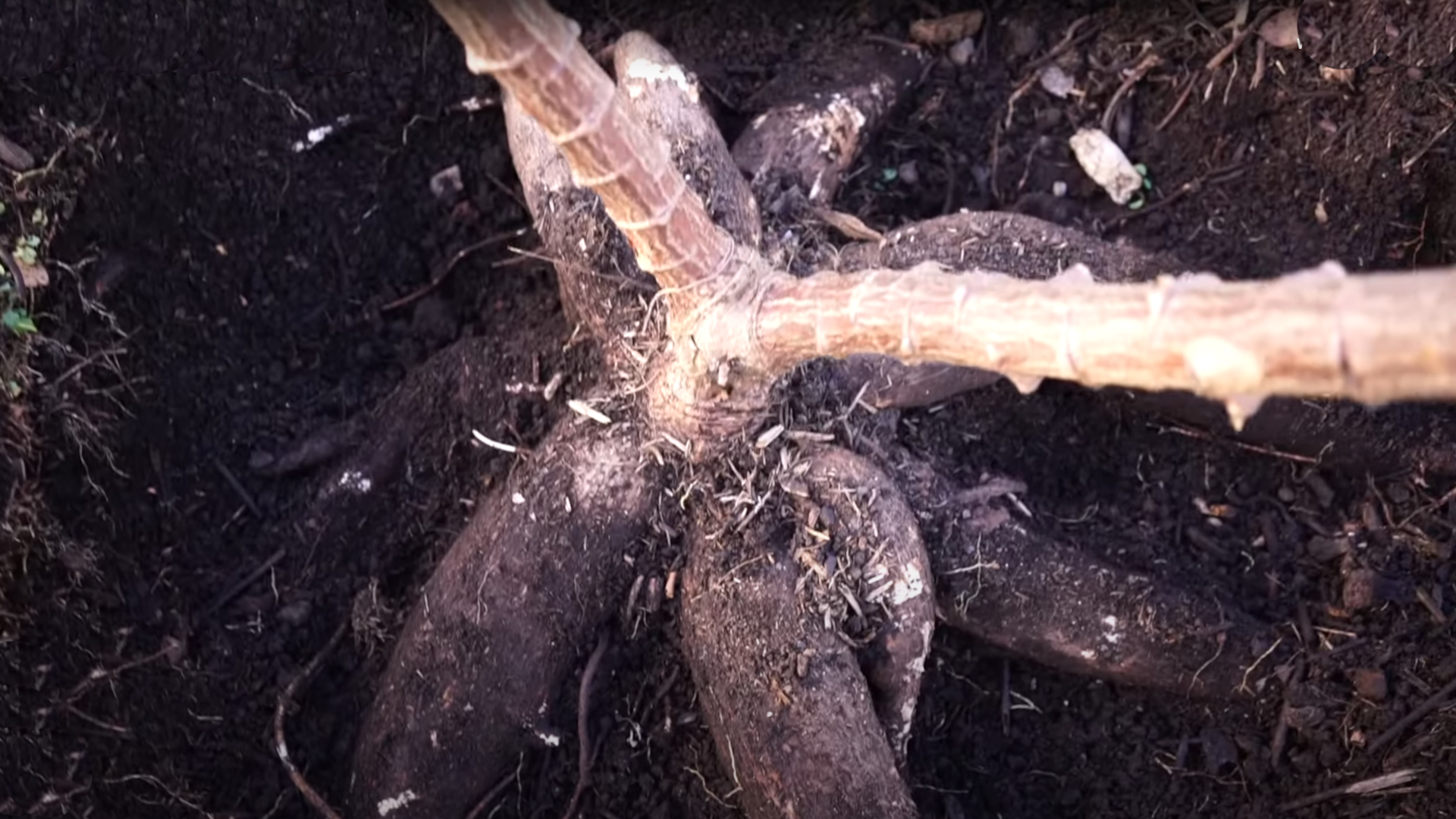
Students of Kwame Nkrumah University of Science and Technology and Koforidua Technical University have examined cassava grown on lands previously used for gold mining in the Eastern Region.
Study by the joint research team found that cassava from reclaimed mining lands contained unsafe levels of toxins such as Cyanide and lead.
Cyanide naturally occur in cassava but those cultivated on reclaimed mining lands have excessively high levels of cyanide. Lead(Pb)is also a heavy metal associated with health risks when above safe limits.
The toxin levels on such lands were high enough that eating cassava from such lands could pose serious health risks to cosumers, especially since both cyanide and lead are toxic.
Mining activities, especially illegal small-scale mining (galamsey), often leave chemical residues such as cyanide and heavy metals in the soil. These contaminants can persist even after the land is reclaimed, treated and used for farming.
Analyses have confirmed that when cassava is grown in such soils, it absorbs these toxic substances from the soil, leading to unsafe food products.
Research and environmental reports show that heavy metals and chemical contaminants from mining can affect agricultural soils and water bodies over large areas, not just the immediate site of extraction.
About the Author