

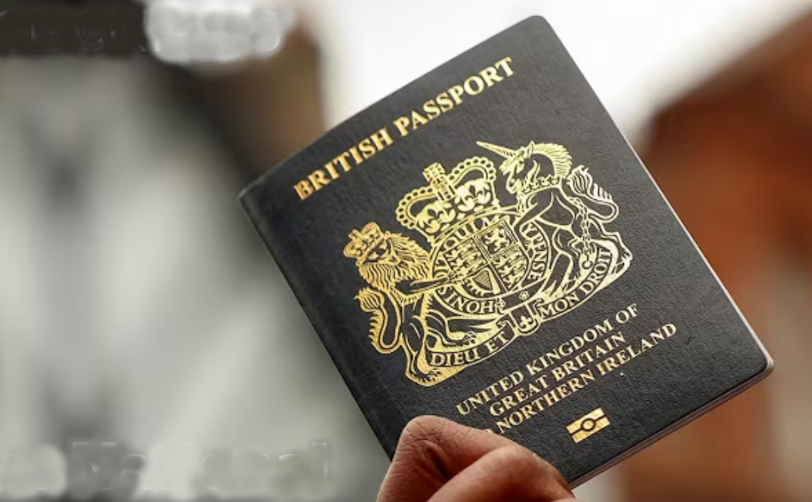
The United Kingdom has introduced stricter passport/entry requirements as part of its new Electronic Travel Authorisation (ETA) system, similar to the United States ESTA.
The new requirements will be fully enforced from 25 February 2026. Under the updated process, all travellers to the UK must have pre-departure permission (an ETA or eVisa) unless they are entering on a British or Irish passport.
Dual British nationals holding another nationality can no longer use their non-British passport alone to enter the UK, even if that passport previously sufficed.
This new requirements are causing a scramble and Airlines including border controls are being instructed to deny boarding or entry to dual nationals with a foreign passport unless they show a valid British passport, or a Certificate of Entitlement (proof of right of abode) attached to their other passport.
The certificate costs around £589 and can take weeks to obtain, leading many travellers to urgently apply for British passports instead.
The ETA system doesn’t recognise British citizenship when only a foreign passport is shown, making it difficult for airlines and immigration control systems to detect that someone is legally British.
This may result in denied boarding or last-minute travel disruption for an n estimated 1.2 million dual British nationals worldwide, especially those living abroad who don’t currently hold a British passport.
Cases include older adults, families with children born overseas, and people unaware they had UK citizenship until confronted with these requirements.
Critics say the change has been poorly communicated and financially burdensome, especially for multiple travellers in one family.
There are reports of people cancelling trips and holidays, travel agents overwhelmed with applications and some dual nationals considering renouncing British citizenship because of cost and bureaucracy.
Campaigners argue the rules disproportionately affect some groups (e.g., women with different naming conventions on passports) but the UK Home Office defends the changes as part of modernising border controls and improving security.
About the Author