
The already heated national debate over LGBTQ-related legislation has taken a sharper political turn, as the opposition New Patriotic Party (NPP) is demanding a formal apology from President John Dramani Mahama, accusing him of reneging on a key campaign promise that helped secure his return to power in the 2024 elections.
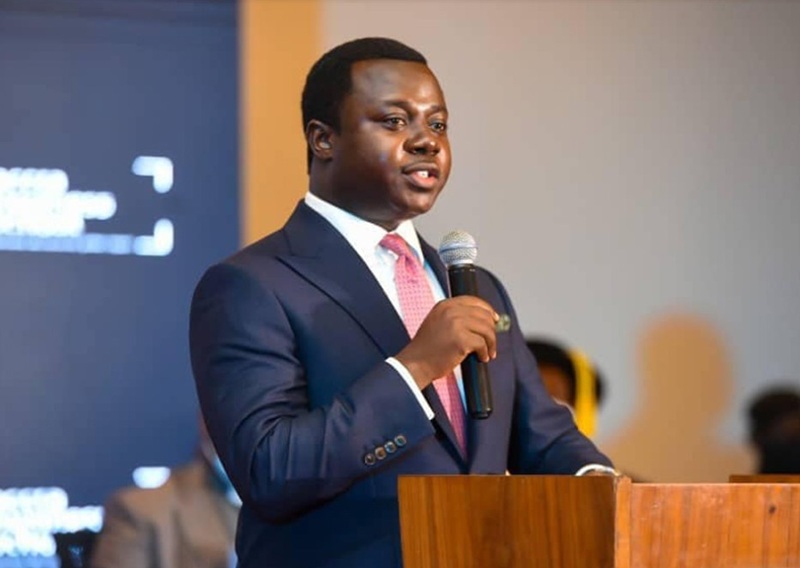
At a press conference at the NPP headquarters on April 7, 2026, the Member of Parliament for Assin South, John Ntim Fordjour, speaking on behalf of the Minority, said the President had failed to honour commitments made to religious leaders, traditional authorities, and the broader Ghanaian public regarding the introduction of a government-sponsored bill to address LGBTQ issues.
Campaign Promises And Political Expectations
According to the NPP, the Anti-LGBTQ Bill—formally known as the Human Sexual Rights and Family Values Bill—was a central issue during the 2024 election campaign.
At the time, Mahama and the National Democratic Congress (NDC) strongly criticised the then NPP administration for failing to secure presidential assent for the bill after it was passed by Parliament in February 2024.
The NDC, while in opposition, assured religious groups and key stakeholders that once elected, it would reintroduce the legislation as a government-sponsored bill and ensure its swift passage.
These assurances, the NPP argues, played a significant role in shaping public perception and winning support from influential faith-based organisations.
However, more than a year into the Mahama administration, the promised government bill has yet to materialise, raising concerns among sections of the public and political class.
Minority: ‘A Breach Of Trust’
Addressing journalists, Rev. Ntim Fordjour stated that the delay—or what the Minority describes as inaction—amounts to a breach of trust.
“Ghana’s basic needs have not changed since 2024,” he said. “The President willingly made those promises, and he must be held to account and be made to fulfil them.”
He further called on President Mahama to apologise directly to religious leaders, including the Christian Council, the Catholic Bishops’ Conference, the Ghana Pentecostal and Charismatic Council (GPCC), as well as Muslim clerics and traditional authorities.
“President Mahama must render an apology to the clergy, clerics and traditional leaders for the double standards demonstrated between the period in opposition and now in power,” he stressed.
Concerns Over Constitutional Review Process
Beyond the issue of the stalled bill, the Minority also raised alarm over what it described as attempts to introduce LGBTQ-related concepts into Ghana’s Constitution through the ongoing constitutional review process.
Rev. Ntim Fordjour pointed to specific recommendations in the Constitutional Review Committee’s report—particularly on pages 107 and 108—which he claims could potentially open the door to the recognition of LGBTQ concepts within the legal framework.
“This is not just a legal matter; it goes to the heart of our values as a nation,” he said. “Embedding such provisions in the Constitution will have far-reaching consequences for our moral and cultural identity.”
The Minority warned that such developments, if not checked, could fundamentally alter Ghana’s long-standing cultural and religious norms.
Shifting Government Position
The NPP’s criticism follows recent comments by President Mahama suggesting that the LGBTQ issue is not among the most pressing challenges facing the country.
Speaking during an engagement with civil society organisations, the President described the matter as emotive but emphasised that government priorities currently lie in addressing economic and social needs such as jobs, healthcare, education, and basic living conditions.
He has also maintained that any decision on the issue must be guided by democratic processes, constitutional provisions, and dialogue, rather than political expediency.
However, the Minority interprets this shift in tone as a retreat from earlier commitments, arguing that the government is now reluctant to act decisively on a matter it once described as urgent and non-negotiable.
A Bill In Limbo
The Anti-LGBTQ Bill has had a turbulent legislative journey. Initially introduced in 2021 and passed by Parliament in 2024, it failed to receive assent from then-President Nana Addo Dankwa Akufo-Addo before the dissolution of Parliament, causing it to lapse.
Since the inauguration of the current Parliament, efforts have been made by some MPs to reintroduce the bill as a Private Member’s Bill, with Alban Sumana Bagbin recently directing that it be scheduled for consideration after determining that it meets constitutional requirements.
Despite these developments, the absence of a government-sponsored version of the bill—promised by President Mahama—remains a major point of contention.
Mounting Political Pressure
The Minority insists that the expectations of Ghanaians, particularly religious and traditional leaders, have not changed since the 2024 elections. They argue that the government must align its actions with its previous commitments or risk losing credibility.
“We were made to understand that this bill would be treated as a priority if they came into office,” Rev. Ntim Fordjour said. “What we are seeing now is a clear shift, and it amounts to a betrayal of the trust reposed in them.”
About the Author