


President John Dramani Mahama has intensified calls for a nationwide crackdown on drug abuse and narcotics trafficking, urging traditional authorities to work closely with security agencies and youth groups to expose suppliers of tramadol and other illicit substances operating within their communities.
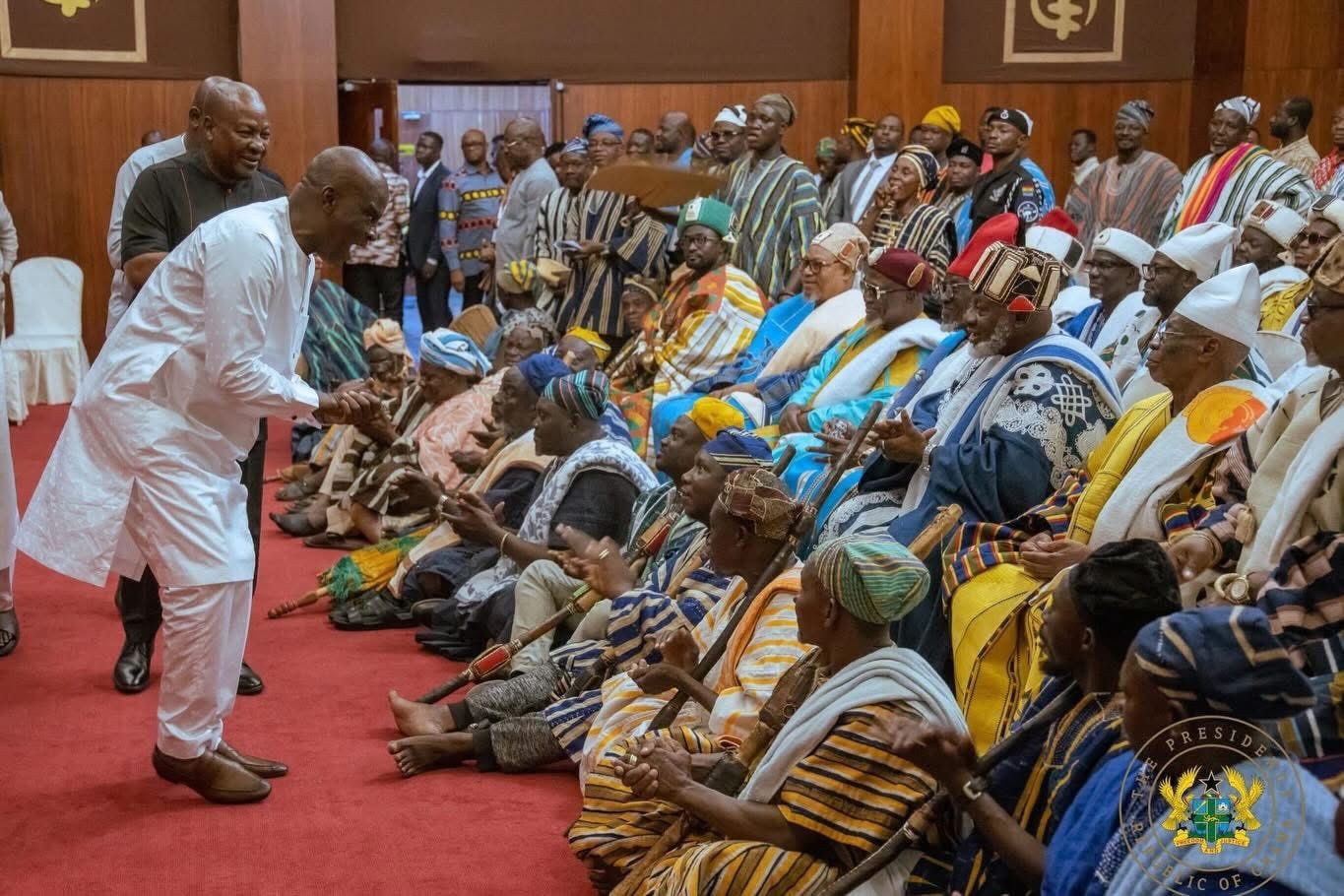
The President made the appeal during a courtesy call by the Northern Regional House of Chiefs at the Jubilee House, where concerns over increasing drug abuse among young people featured prominently in discussions.
According to President Mahama, the growing circulation of tramadol and other narcotic substances has become a major national security and public health concern, particularly among the youth population.
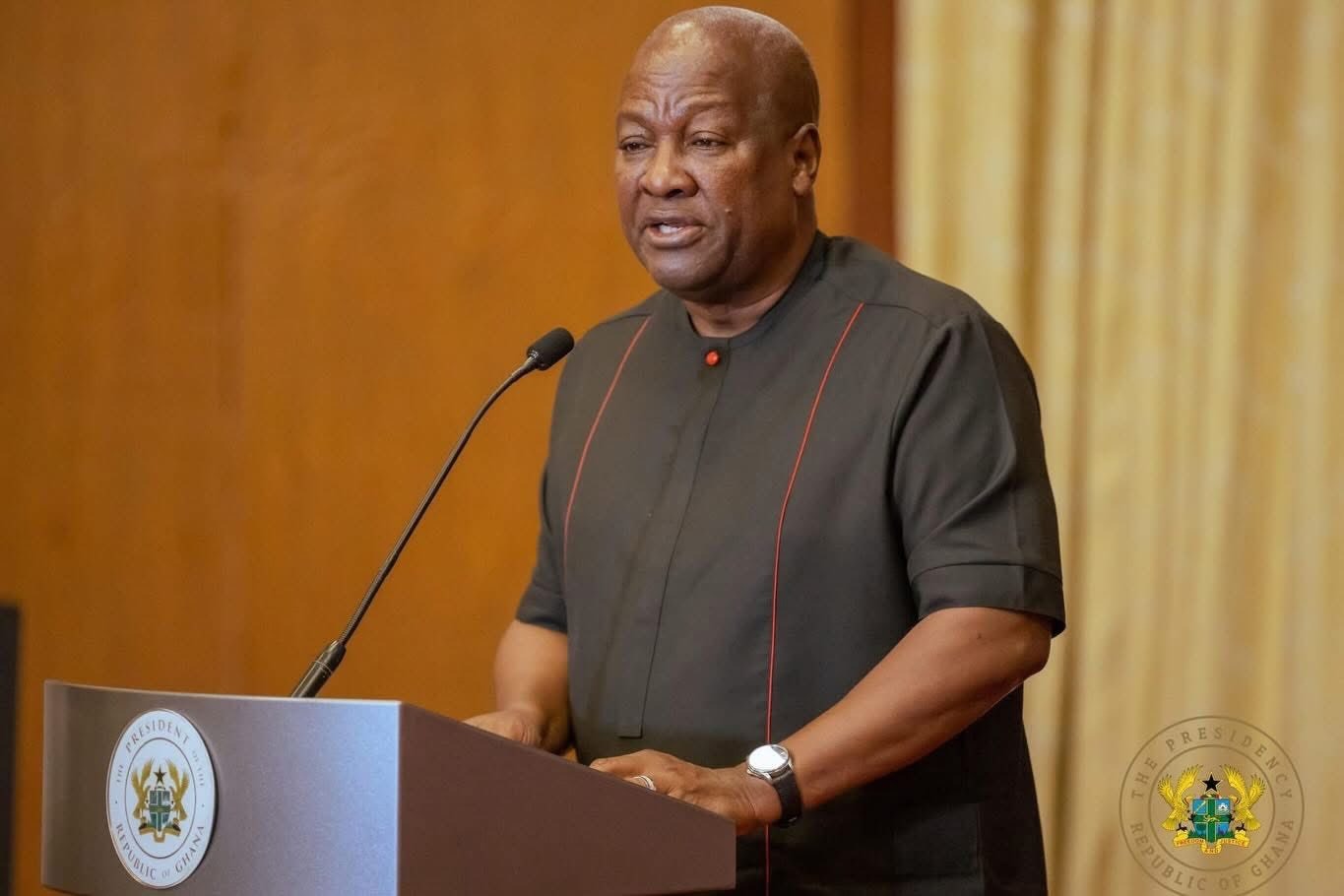
He warned that the abuse of such drugs is gradually destroying lives, destabilising families, weakening communities, and contributing to rising insecurity in several parts of the country.
“The growing drug abuse crisis among the youth requires urgent national attention. The abuse of tramadol and other narcotics is destroying lives, destabilising families, and undermining community security,” the President stated.
President Mahama stressed that while individuals addicted to narcotic substances should be treated as victims in need of rehabilitation and support, the real fight must focus on dismantling the criminal supply networks profiting from the illegal trade.
He therefore called on chiefs and traditional leaders to take an active role in identifying dealers and distributors within their jurisdictions.

According to him, many of the suppliers live openly within communities and continue to distribute narcotics to young people with little resistance from residents.
“I urge our traditional leaders to join in the fight against drug abuse. Work with the youth groups and police and set up task forces to identify the distributors. They live among us. They take delivery of bulk supplies of tramadol and sell them to our children,” he said.
The President further appealed to chiefs to strengthen collaboration with the Ghana Police Service in order to root out suppliers and halt the spread of narcotic drugs in local communities.
“We must identify these people and root them out so that we can stop the supply of these drugs within our traditional areas,” he added.
The renewed concern over tramadol abuse comes amid years of growing public anxiety about the widespread use of opioids and unapproved drugs among Ghanaian youth, particularly in parts of northern Ghana, urban centres, mining communities, and transport hubs.
Over the years, security agencies and health authorities have carried out several operations targeting illegal drug importation and distribution networks, with repeated seizures of tramadol consignments at ports and border points.
Health experts have consistently warned that excessive abuse of tramadol a prescription pain medication often illegally sold in high doses can lead to addiction, mental health complications, violent behaviour, organ damage, and even death.
Successive governments have also expressed concern over the increasing involvement of young people in substance abuse, with many community leaders linking the trend to unemployment, peer pressure, and organised criminal distribution networks.
Traditional authorities have increasingly been drawn into national conversations on security, social protection, and youth development because of their influence within local communities.
About the Author