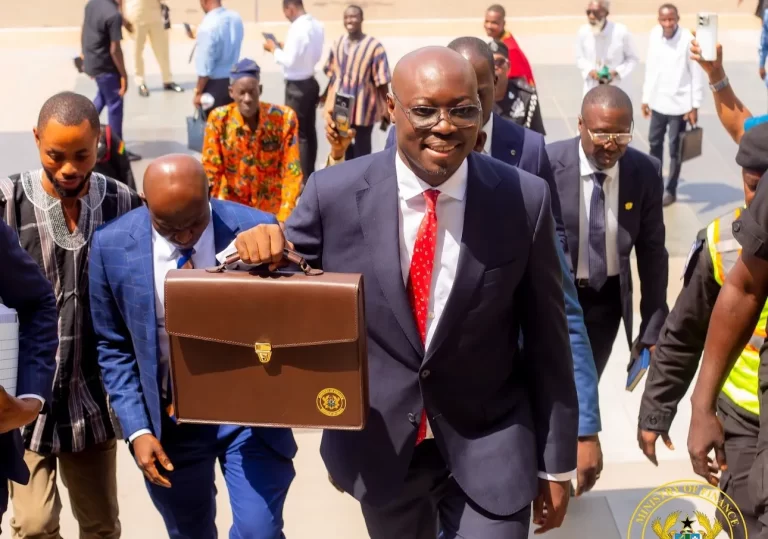

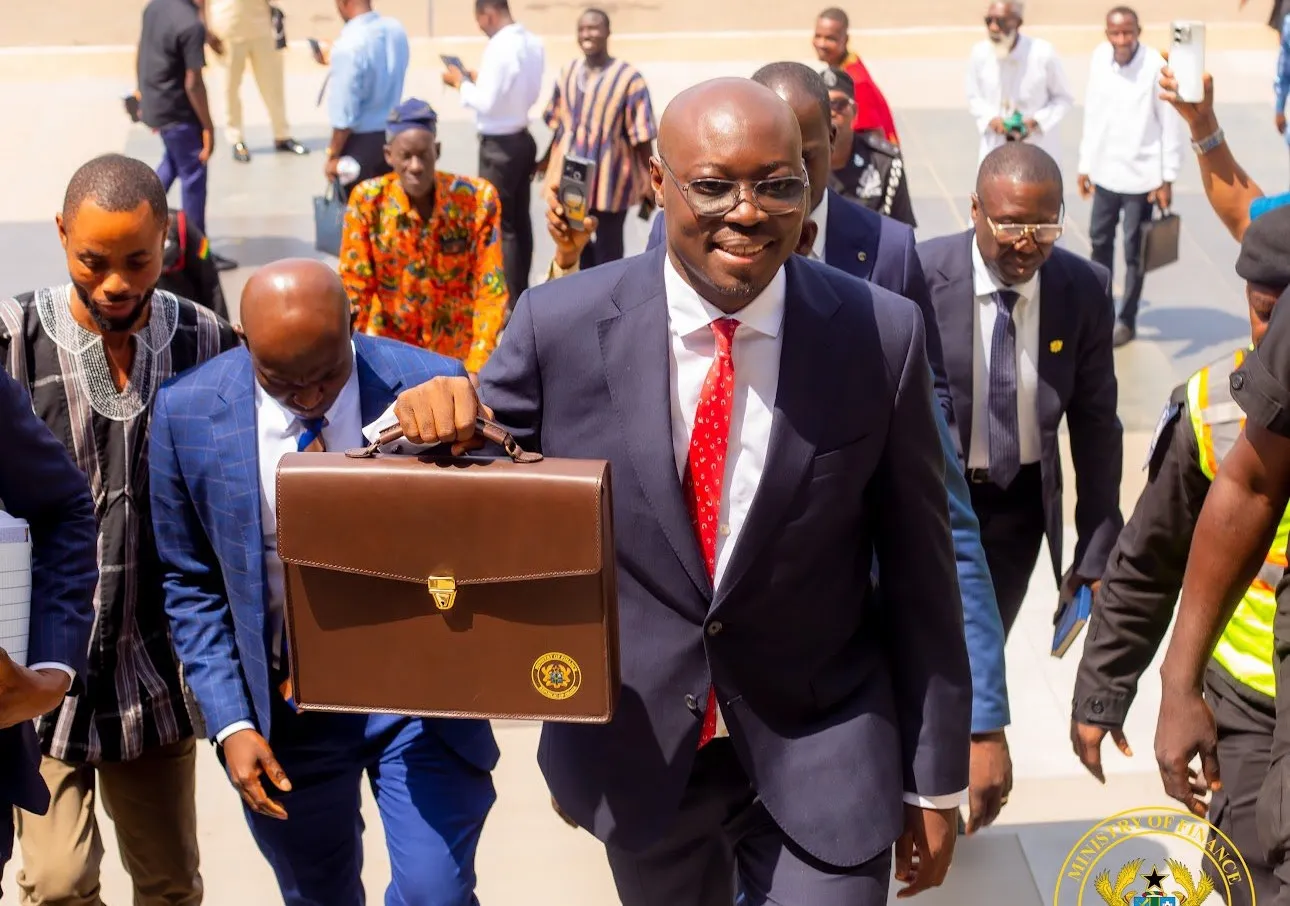
Finance Minister Dr Cassiel Ato Forson will present Ghana’s 2027 Budget Statement and Economic Policy to Parliament at 18:00 on Thursday, 12 November, setting out the government’s economic priorities and spending plans for the year ahead.
The budget is expected to focus on consolidating recent macroeconomic gains while increasing investment in productive sectors, supporting job creation and improving living standards.
Ghana’s government is seeking to move its economic recovery beyond stabilisation, with greater emphasis on production, industrialisation, private-sector development and employment opportunities.
A key element of the statement is expected to be the proposed US$10bn New Economy investment programme announced by President John Dramani Mahama. The initiative is intended to support economic growth between 2027 and 2030 by mobilising US$10bn over four years.
According to the government, the New Economy agenda will seek to build a productive, competitive, diversified, technology-driven and inclusive economy. Its priorities include adding value to Ghana’s natural resources, supporting domestic businesses and creating opportunities for young people.
The budget is expected to explain how the programme will be financed and implemented, as well as how the government plans to attract private-sector investment and ensure the proposed measures produce measurable economic results.
The government has said it does not plan to return to the international capital market to secure expensive loans for the programme. Domestic resource mobilisation and private-sector participation are therefore expected to play a central role in delivering the investment plans.
The programme’s priority areas are expected to include commercial agriculture and agribusiness, energy, critical minerals and value addition, textiles and garments, tourism, the creative economy, and pharmaceutical manufacturing.
Economic performance under review
Dr Ato Forson is also expected to report on Ghana’s economic performance in 2026, including inflation, growth, public debt, revenue mobilisation, expenditure management and international reserves.
The country recorded real GDP growth of 6% in the second quarter of 2026, above the annual target of 4.8%.
Inflation fell to 5.5% in October 2026. However, it had risen for three consecutive months after reaching a low of 3.2% in March.
Gross international reserves stood at 4.2 months of import cover in August 2026, exceeding the minimum target of three months.
The 2027 Budget will face scrutiny from businesses, organised labour, civil society organisations, economists and other stakeholders, particularly over whether allocations to key sectors are sufficient.
Parliamentary discussions are also expected to examine domestic revenue mobilisation, public spending, the clearance of arrears, debt sustainability and the delivery of flagship programmes.
The government will be under pressure to show how its proposed investments can improve the lives of ordinary Ghanaians through new jobs, better public services, improved infrastructure and greater opportunities for businesses to expand.
About the Author