
For people buying goods, arranging services or doing business with Ghana from abroad, the warning is a reminder to check before paying.
Ghana recorded an estimated GH¢209.7 million in financial losses linked to reported cybersecurity incidents between January and September 2026, according to the Cyber Security Authority (CSA).
Ghana News Agency reported on Saturday that CSA Director-General Dr Divine Selasi Agbeti disclosed the figures at a cybersecurity conference in Ho. The Authority recorded 4,938 incidents during the period.
He urged people to verify payment requests, protect sensitive information and be cautious about investment offers promising unrealistic returns. He also warned that embarrassment prevents some victims from reporting what has happened.
Why this matters when you live abroad
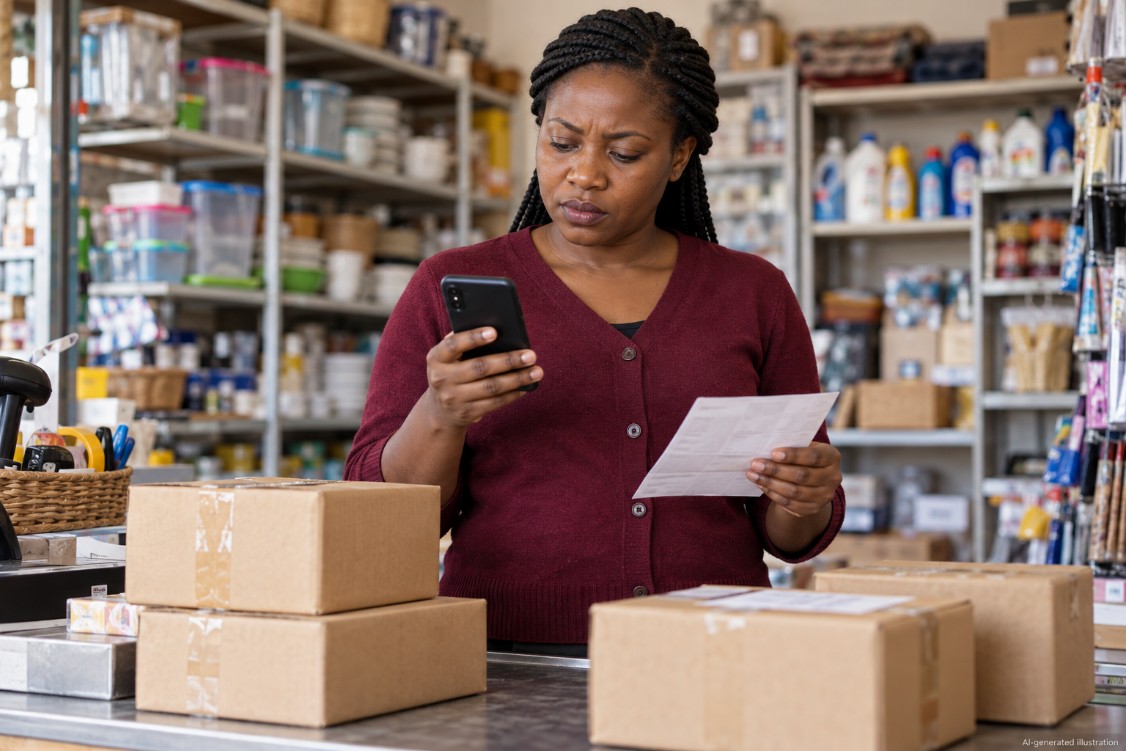
You may be booking accommodation for a visit, buying something from a Ghanaian seller or paying a business to provide a service. Much of that can now happen through a phone, without meeting anyone.
That convenience makes checking who you are dealing with especially important. A familiar business name, a convincing social media page or a message from a known account is a starting point—not proof that a payment request is genuine.
The reported losses cover incidents in Ghana. They do not establish how much, if any, was lost by people living abroad.
What scams should readers watch for?
The CSA has previously warned about online sellers who accept payment, fail to deliver and then block the buyer. Its advice includes checking sellers carefully and, where possible, paying after delivery and inspection.
Authorities have also warned about criminals impersonating restaurants and food vendors, collecting payments through fake accounts or directing customers to fraudulent payment pages. These are examples from separate advisories, rather than a breakdown of the GH¢209.7 million total.
Before you pay, take a moment
- Check independently. Contact the business using a number you have verified separately from the message requesting payment.
- Question changed payment details. Confirm them through an established contact before sending money.
- Protect your codes. Never give another person your banking password, mobile money PIN or one-time verification code.
- Resist pressure. An urgent deadline or unusually attractive offer deserves closer checking.
- Keep records. Save messages, receipts, account details and transaction references.
If something goes wrong
Contact your bank, mobile money provider or payment service promptly and explain what happened. Keep the evidence.
Ghana-related cybersecurity incidents can be reported to the CSA by calling or texting 292 within Ghana, through WhatsApp on +233 50 160 3111, or by emailing report@csa.gov.gh. Readers abroad can use WhatsApp or email.
There should be no shame in reporting a scam. A convincing fraud can catch people off guard—and speaking up may help prevent someone else from losing money.
About the Author