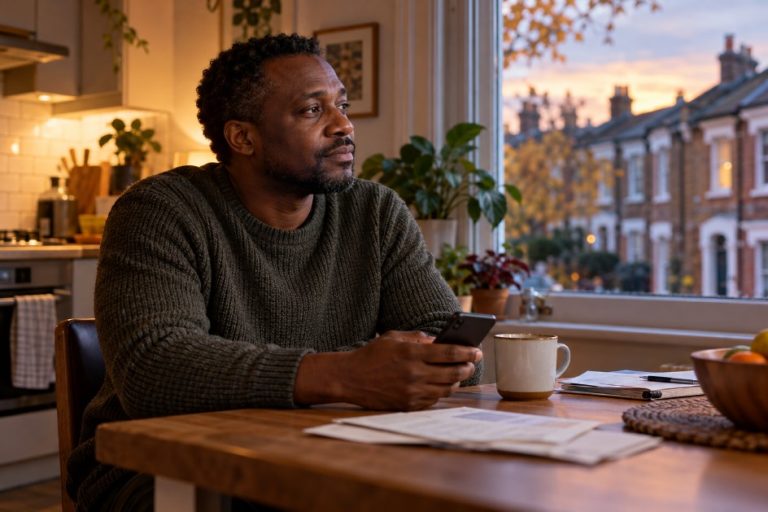

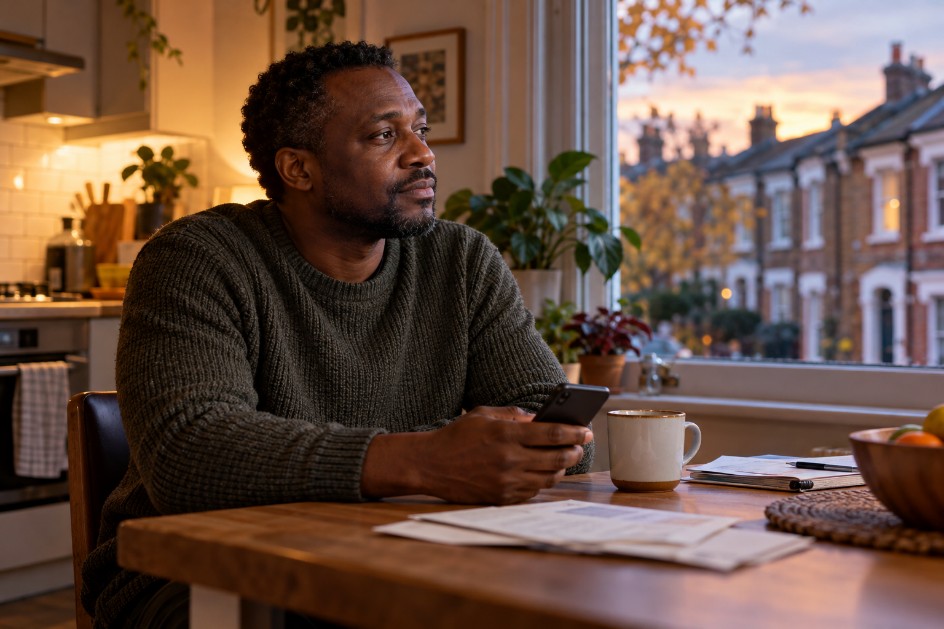
The money has arrived in Ghana. The school fees are paid. A relative’s problem has been sorted.
But back in Britain, how is the person who sent it?
That question deserves attention today, World Mental Health Day. This year’s campaign puts the voices of people with experience of mental health difficulties at the centre of the conversation.
For our Ghanaian community, it is an opportunity to look beyond the money transfer and ask about the person.
Two countries, one person’s shoulders
Life abroad can bring opportunities, pride and the pleasure of helping loved ones. It can also mean balancing rent, work, children and responsibilities in another country.
For someone supporting family in Ghana, payday may involve decisions about two households.
There may be a parent who needs help, school fees coming up or an unexpected emergency. Each request can matter. Yet the person receiving those requests has bills and worries too.
This is one possible experience of diaspora life. It is not everyone’s story, but it deserves a place in the conversation.
When “I’m fine” leaves things unsaid
A family photograph or a cheerful phone call cannot tell us everything about someone’s life.
Someone can be proud of what they have achieved and still feel lonely. They can enjoy helping their family and still worry about how much they can afford.
And when others depend on you, finding the words to say you are struggling can be difficult.
That is why checking in matters even with the relative who always seems to manage.
Make a call that asks for nothing
For families in Ghana, a small change could make a meaningful difference: simply calling to find out how someone is doing.
Ask about their work, their sleep or what has been worrying them. Give them time to answer. If they say money is tight, listen before assuming that being abroad means they must have enough.
Support travels both ways. A conversation, encouragement or help with a responsibility back home can be valuable too.
For those abroad, being honest about what you can afford can help families plan. Loving people does not require saying yes to every request.
The helper needs support too
If you are finding things difficult, you can speak to your GP about your mental health and the support available.
In the UK, Samaritans is available free on 116 123, day or night, if you need someone to listen. In England, urgent mental health support is available by calling 111 and selecting the mental health option.
This World Mental Health Day, let us remember the person behind the help.
The money arriving home indicates that the transfer was successful. It does not tell us how the sender is doing.
#HotDigitalOnline #DiasporaInsights #WorldMentalHealthDay #GhanaianDiaspora #GhanaiansInUK #MentalHealthMatters #CheckOnYourPeople #LifeAbroad
About the Author