
Speaking at the FT Africa Summit, the President set out plans to retain more value from Ghana’s resources and addressed the security challenges facing West Africa.
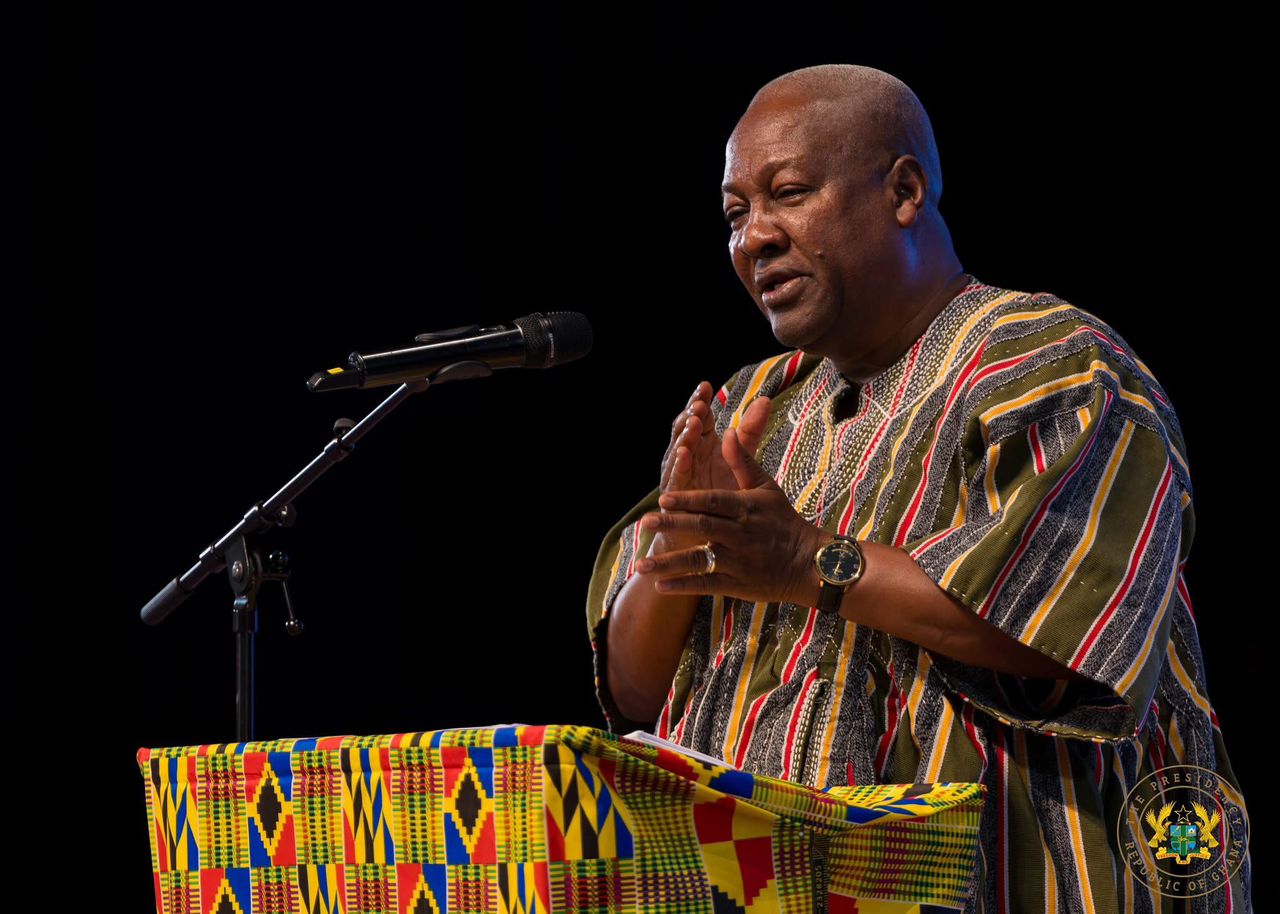
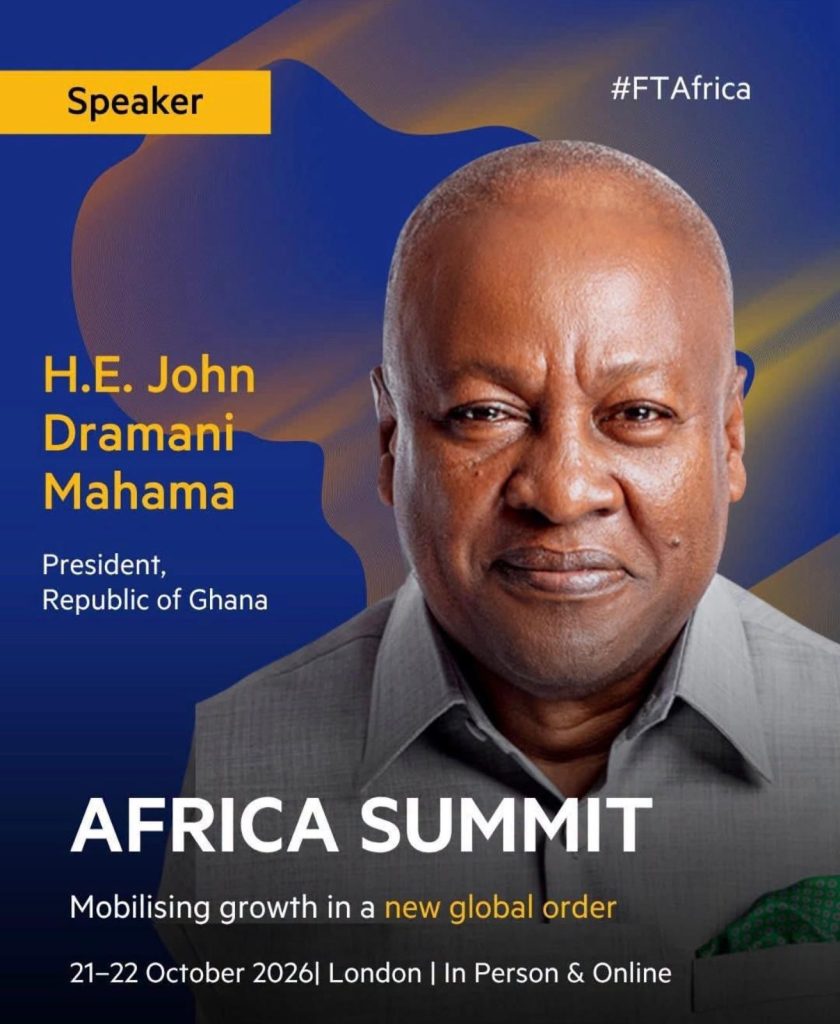
Ghana’s natural resources should create more opportunities at home. That was a central message from President John Dramani Mahama during his appearance at the Financial Times Africa Summit in London on Wednesday, 21 October.
The summit, taking place on 21–22 October, brings together political leaders, investors and business executives under the theme “Mobilising growth in a new global order.”
For Ghanaians living in Britain, the discussion connects familiar concerns: jobs back home, opportunities to build businesses and the stability needed to make long-term plans.
More processing, more opportunities at home
Mahama outlined an ambition to stop raw-material exports by 2030, highlighting minerals including lithium, manganese and bauxite. He also set a target of processing at least half of Ghana’s cocoa beans domestically.
The distinction matters. Selling a raw resource brings income, but processing it can create additional work in manufacturing, engineering, packaging, transport and other services.
For diaspora entrepreneurs and professionals, that raises a practical question: where could their skills, business connections and experience fit into a stronger Ghanaian production economy?
These are presidential ambitions, rather than completed changes. Turning them into opportunities will require investment, reliable infrastructure, skilled workers and clear arrangements that businesses can plan around.
Security is part of the economic conversation
Mahama also addressed insecurity in the region. He welcomed partners committed to countering terrorism and attributed delays in deploying a West African standby force to the absence of UN authorisation needed to support financing.
For families abroad, regional security is about more than diplomacy. It concerns relatives’ wellbeing, confidence in travel and whether businesses can operate and trade safely.
What should follow the summit?
An international platform gives Ghana an opportunity to present its priorities directly to investors. The next test is what follows: workable projects, transparent partnerships and opportunities that reach local businesses and workers.
For the diaspora, participation can extend beyond sending money. Professional expertise, mentoring, commercial networks and business partnerships can also contribute.
Mahama’s London appearance puts those possibilities into focus. The measure of success will be how the discussed ambitions become opportunities people can see, access London and build on.
About the Author