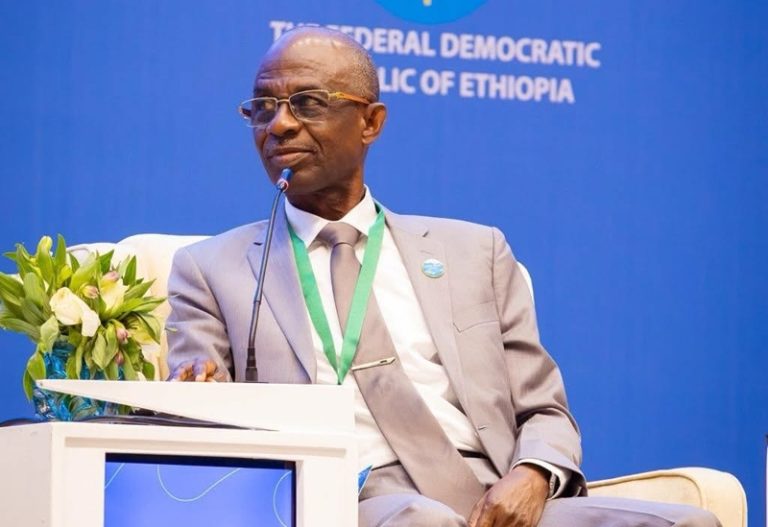

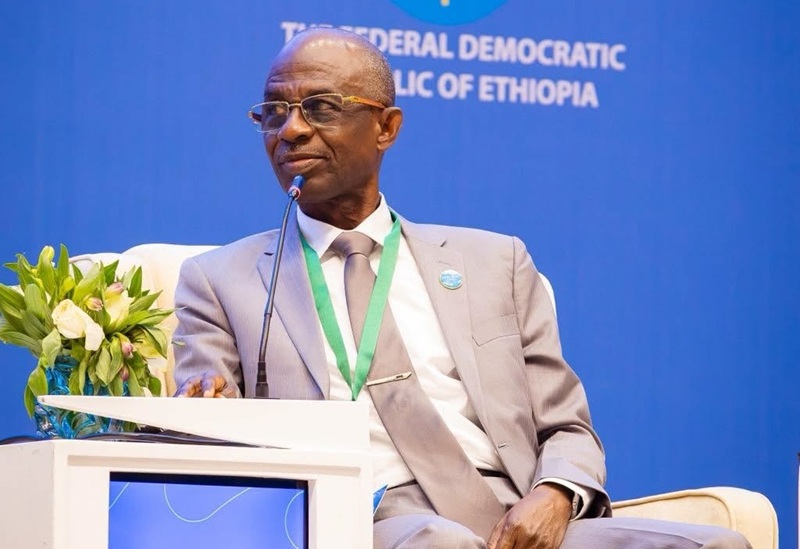
National Democratic Congress (NDC) National Chairman Johnson Asiedu Nketiah has secured a new continental leadership position after being nominated and approved as the inaugural Chairman of the African Political Parties Initiative (APPI) for a three-year term.
Asiedu Nketiah announced the development in a Facebook post following a gathering of political parties from across Africa in Addis Ababa, Ethiopia, where representatives discussed the role political organisations should play in shaping the continent’s economic future beyond electoral politics.
According to the NDC chairman, his appointment followed deliberations among participating political parties, which subsequently approved him to lead the initiative for its inaugural three-year term.
In his remarks, Asiedu Nketiah said the discussions in Addis Ababa centered on whether political parties could become architects of Africa’s economic transformation or remain organisations primarily focused on winning elections and securing political power.
He argued that political parties must begin preparing for governance long before elections are held, insisting that winning political power alone does not automatically translate into effective economic management or sustainable development.
Warns Against Politics Focused Only on Winning Elections
The newly appointed APPI chairman acknowledged that African political parties still have considerable work to do if they are to meet the continent’s development expectations.
He drew attention to the employment challenges facing Africa, particularly the growing number of young people entering the labour market every year.
According to figures cited in his statement, between 10 million and 12 million young Africans enter the labour market annually, while only approximately three million formal jobs are created to absorb them.
He argued that the widening gap between job seekers and available formal employment opportunities cannot be addressed through election campaigns and political promises alone.
Rather, he maintained that political parties must develop the technical expertise and policy capacity required to manage key sectors of national economies before assuming political office.
He specifically identified agriculture, international trade, energy and public finance as critical areas in which political parties must build institutional knowledge and practical expertise.
Asiedu Nketiah stressed that parties should not wait until they win elections before beginning to develop policies and prepare individuals capable of managing government institutions.
Another major issue highlighted by Asiedu Nketiah was the need for African governments to maintain successful policies and development programmes even when political power changes hands.
He argued that the frequent abandonment of existing policies following changes in government has affected the continent’s ability to achieve sustainable economic transformation.
According to him, political parties must develop a culture of preserving initiatives that work rather than discarding them simply because they were introduced by political opponents.
Asiedu Nketiah also called for greater participation of women and young people in the decision-making processes that shape national budgets and economic policies.
He argued that their involvement should extend beyond political campaigns and symbolic representation to include meaningful participation in discussions where public resources are allocated and development priorities are determined.
The chairman maintained that decisions about employment, education, entrepreneurship and public investment must reflect the interests and contributions of these groups.
The newly appointed chairman identified Agenda 2040 as an important framework for the initiative’s work, presenting it as an opportunity to encourage political parties to develop long-term strategies for the continent’s economic transformation.
Asiedu Nketiah expressed appreciation to the political parties that supported the initiative and approved his appointment as its inaugural chairman.
He also acknowledged the contribution of the Africa Governance Centre and thanked Ethiopia for hosting the gathering in Addis Ababa.
His appointment gives Ghana a prominent role in the leadership of the new continental initiative and provides Asiedu Nketiah with an opportunity to engage political organisations beyond the country’s domestic political environment.
About the Author