
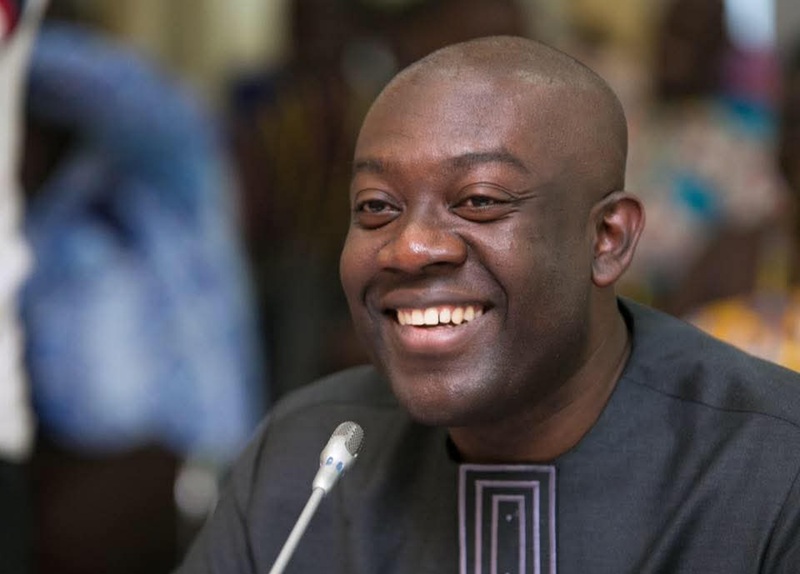
The passage of the Human Sexual Rights and Family Values Bill, 2025, by Ghana’s Parliament has triggered a fresh political battle, with the Member of Parliament for Ofoase-Ayirebi, Kojo Oppong Nkrumah, accusing the governing National Democratic Congress (NDC) of misleading Ghanaians about the true nature of the legislation approved by the House.
While the government and its supporters have celebrated the passage of the bill as the fulfilment of a major campaign commitment, the former Information Minister insists that the legislation approved by the Ninth Parliament is fundamentally different from the original Human Sexual Rights and Family Values Bill passed by the Eighth Parliament in February 2024.
According to Oppong Nkrumah, the NDC has retained the title of the legislation while substantially altering its content through a series of amendments that have removed key provisions that formed the backbone of the original bill.
Speaking after Parliament approved the legislation on May 29, 2026, the Ofoase-Ayirebi legislator warned the public against what he described as a deliberate attempt to create the impression that the same anti-LGBTQ bill championed during the 2024 election campaign had finally been passed.
“Don’t be scammed. What the NDC has passed today is not the LGBT Bill that was before the House,” he declared.
“The bill, as passed in 2024 and as re-laid before the House, has now been mutilated by the NDC. About 31 of the old clauses have been deleted today. What has been passed now is an empty piece of legislation under the old name. It is not the same bill.”
Oppong Nkrumah insists the NDC cannot simultaneously celebrate the passage of the revised legislation while presenting it as identical to the bill that dominated national discourse for years.
“Yet they are going around telling people it is the same old bill that they promised to sign,” he said.
“Such a lie. When we say this NDC government is a scam, it is a matter of fact.”
The former Information Minister argues that by removing more than 30 clauses and creating broad exemptions, Parliament has effectively produced an entirely different law under the cover of a familiar title.
His comments have intensified the already heated national debate surrounding the controversial legislation, which has remained one of the most politically sensitive and socially divisive issues in Ghana over the past five years.
Background
The Human Sexual Rights and Family Values Bill was first introduced in Parliament in 2021 by a bipartisan group of lawmakers led by Ningo-Prampram MP Sam George, with support from Members of Parliament from both the Majority and Minority sides.
The legislation sought to strengthen existing laws relating to same-sex relations and criminalise the promotion, advocacy, funding and organisation of LGBTQ-related activities in Ghana.
Supporters of the bill argued that although Ghana’s Criminal Offences Act already criminalised same-sex sexual relations through Section 104, the law did not adequately address advocacy campaigns, public promotion, funding networks and organised activism associated with LGBTQ groups.
The bill quickly gained support from religious organisations, traditional leaders and conservative groups who viewed it as a necessary measure to protect Ghanaian cultural, religious and family values.
However, it also attracted fierce opposition from human rights organisations, civil society groups, legal experts and members of the international community, who argued that aspects of the legislation could violate constitutional freedoms and fundamental human rights.
In February 2024, Parliament passed the bill and forwarded it to then-President Nana Addo Dankwa Akufo-Addo for assent.
However, before the President could sign it into law, several legal challenges were filed at the Supreme Court challenging both the constitutionality of the bill and the procedure used in its passage. The ensuing legal battles delayed presidential action until the dissolution of Parliament, causing the legislation to lapse.
NDC’s Campaign Promise
The Anti-LGBTQ Bill became a major political issue during the 2024 election campaign.
The NDC repeatedly criticised the Akufo-Addo administration for failing to secure the bill’s enactment and promised to ensure its passage if elected into office.
President John Dramani Mahama and several leading NDC figures assured religious bodies and traditional authorities that the legislation would receive priority attention under an NDC government.
Those promises contributed significantly to public expectations following the NDC’s return to power.
Controversial Amendments
The controversy surrounding the newly passed bill centres on amendments introduced during parliamentary consideration.
The revised legislation exempts lawyers who provide legal advice or representation to LGBTQ persons from sanctions under the law.
Journalists and media organisations reporting on LGBTQ-related issues in the course of their professional duties are also protected from prosecution.
Additionally, medical practitioners, psychologists, counsellors and other healthcare professionals providing treatment or support services to LGBTQ individuals are exempted.
Majority Leader Mahama Ayariga defended the amendments, arguing that they were necessary to protect constitutional rights and professional obligations.
According to him, media practitioners, lawyers and other professional groups had raised concerns that the original wording of the bill could criminalise legitimate professional services and infringe on constitutionally protected freedoms.
Minority Raises Red Flags
Oppong Nkrumah is not alone in opposing the amendments. Assin South MP Rev. John Ntim Fordjour, one of the principal sponsors of the bill, together with Bosome Freho MP Nana Asafo-Adjei Ayeh, strongly resisted the changes during parliamentary deliberations.
They argued that introducing exemptions for lawyers, journalists and other professionals undermines the original objectives of the legislation and raises questions about the fitness of the version that was previously passed by Parliament and presented for presidential assent.
For the Minority, the amendments amount to an admission that the current Parliament does not fully endorse the bill that became a major national issue during the previous administration.
New Political Battle Emerging
With Parliament having passed the revised Human Sexual Rights and Family Values Bill, the focus of the national debate appears to be shifting from whether the legislation should be passed to whether the version approved by the House still reflects the original intent of its sponsors.
Supporters of the amendments maintain that the changes make the bill more constitutionally sound and less vulnerable to legal challenges.
Opponents, however, insist that the legislation has been diluted and stripped of key provisions that gave it force and purpose.
However, as the bill awaits the next stage of the legislative process, the growing dispute over its content threatens to become the latest battleground in the broader political contest between the NPP and the NDC over who truly championed the anti-LGBTQ agenda and who ultimately compromised it.
About the Author