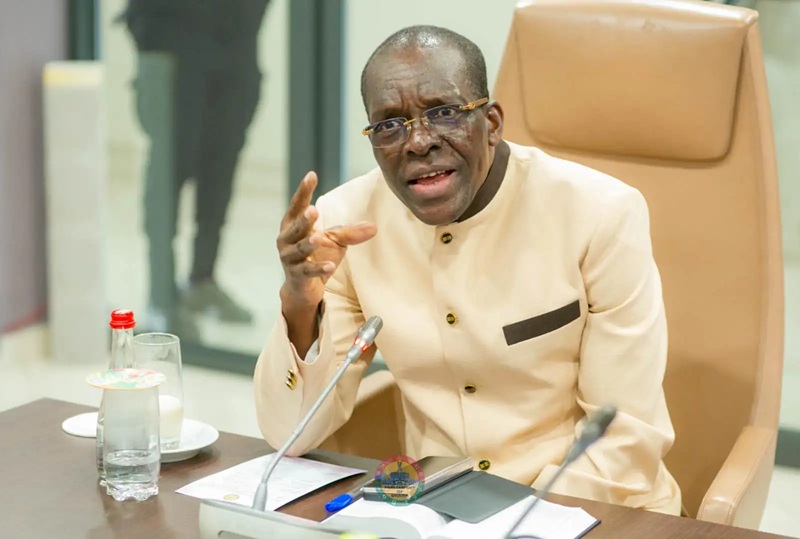
Speaker of Parliament Alban Bagbin has summoned the leadership of both the Majority and Minority caucuses for urgent discussions following the passage of the Human Sexual Rights and Family Values Bill, 2025, saying the approval of the legislation came as a surprise to him.
Addressing journalists in Accra on Monday, June 1, 2026, the Speaker insisted that the agreement was for Parliament to begin the consideration stage of the bill, not to proceed to its passage.
“In fact, when it was passed on Friday, it was even a surprise to me because I knew that they were going to start the consideration of the bill,” Bagbin said.
He explained that the bill had attracted significant attention from a wide range of stakeholders, including development partners and the United Nations, many of whom had submitted memoranda and proposals aimed at shaping the final form of the legislation.
According to the Speaker, the leadership meeting will assess how the bill was handled on the floor of the House and determine the appropriate way forward, stressing the need for broad consensus.
“This is such a critical deal that we believe there must be consensus. It’s not about passing the bill; it’s about implementing it and making sure that it benefits the people,” he stated.
Parliament on Friday passed the Human Sexual Rights and Family Values Bill, 2025, popularly referred to as the anti-LGBTQ bill, after adopting several amendments.
The amended version of the bill exempts lawyers who provide legal advice or representation to persons identified as LGBTQ from sanctions under the proposed law. Journalists and media organisations reporting on LGBTQ-related issues in the course of their professional duties are also shielded from punishment.
In addition, medical professionals who offer surgical, psychological or counselling services to LGBTQ persons are exempt from sanctions.
The Minority Caucus, however, opposed the amendments, arguing that they exposed serious weaknesses in the original version of the bill that had earlier been submitted to former President Nana Addo Dankwa Akufo-Addo for assent.