
The coach has gone. Accountability cannot leave with him.
Two qualifying matches. Two defeats. A 2–0 lead against The Gambia turned into a 4–2 home loss. Now that Carlos Queiroz has departed, Ghana is searching for answers and another coach.
Supporters are fed up. Their demand for a shake-up is reasonable. They deserve to know whether the people making the decisions can deliver the improvement Ghanaian football needs.
The coach’s departure does not explain what went wrong. It does not establish whether the failures stemmed from tactics, preparation, player performance, management, or a combination of these.
Those questions remain with the GFA leadership.
Who assessed the appointment? What conditions were put in place for success? What has been learned? And why should supporters trust the next decision?
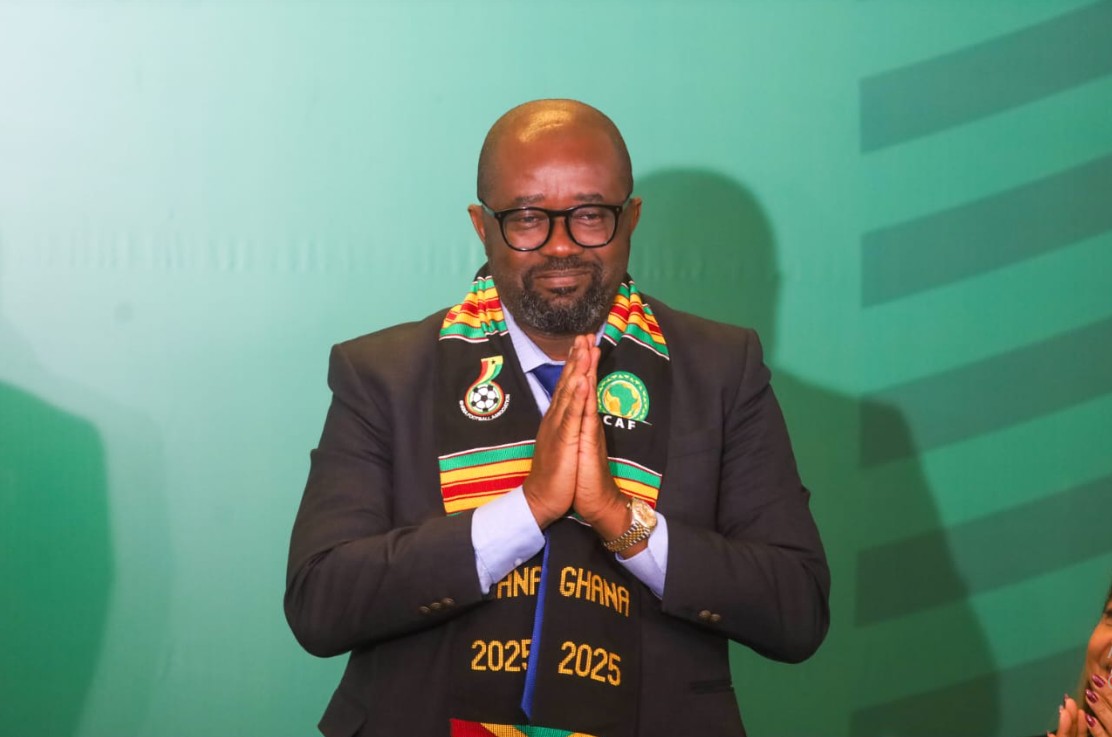
The GFA president cannot be blamed for every misplaced pass. But he and the Executive Council are responsible for appointments, oversight and the direction of Ghanaian football. Their decisions must face scrutiny too.
The players also carry responsibility. Whoever takes charge next will still need them to show discipline, concentration and commitment on the pitch.
Appointing another coach is not, by itself, a recovery plan. The GFA must show what will change beyond the person standing on the touchline.
There should now be an independent review of the management of the Black Stars, with published findings, clear responsibilities and a recovery plan that supporters can judge. The GFA should not be the sole judge of its own performance.
Where serious leadership failures are established, leadership changes must follow through the proper procedures.
Ghana must prepare for its remaining qualifiers while confronting these questions. The urgency of the next match cannot become a reason to avoid examining how the team reached this point.
The people choosing the next coach must first explain why Ghanaians should trust their next decision.
About the Author