
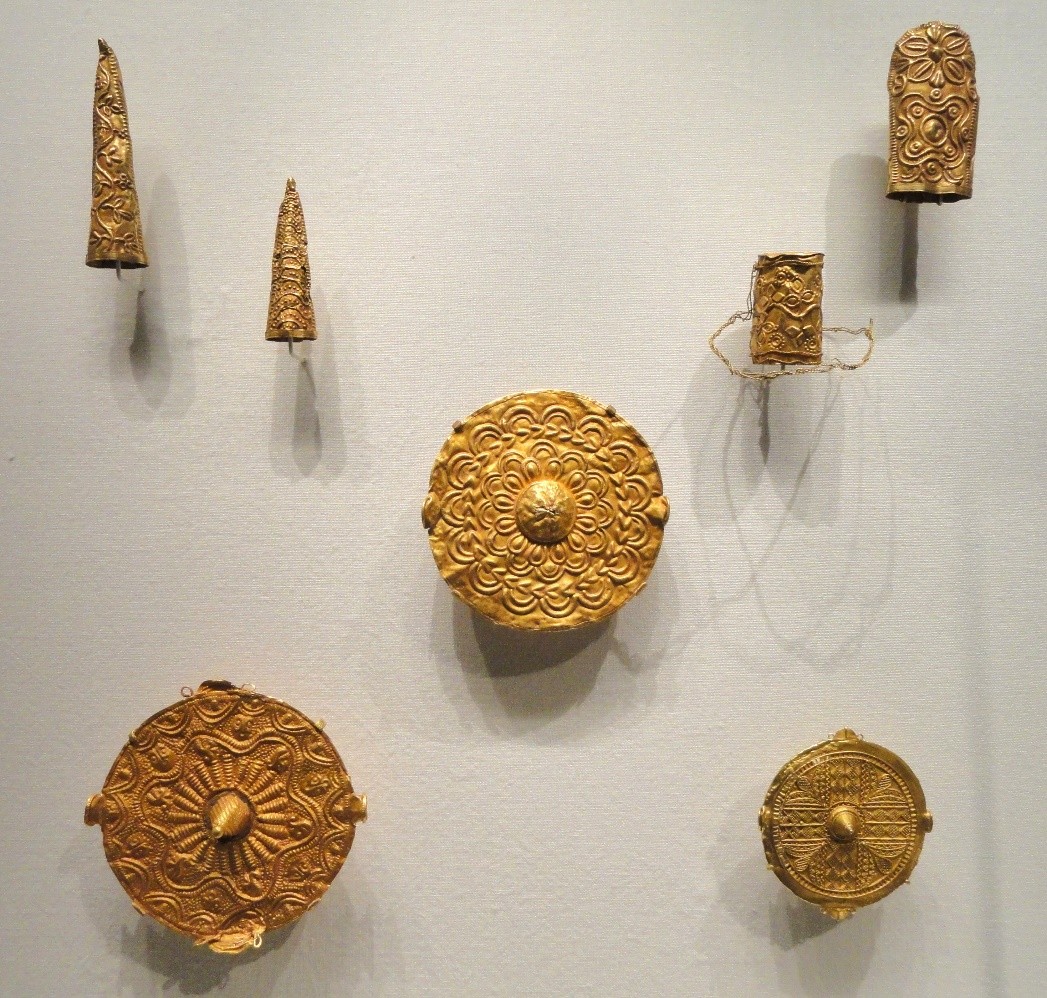
The President’s remarks in London put the return of African heritage and the meaning of repair at the centre of the conversation.
When people hear “reparations”, the first question is often: how much money?
President John Dramani Mahama says the discussion needs to go further.
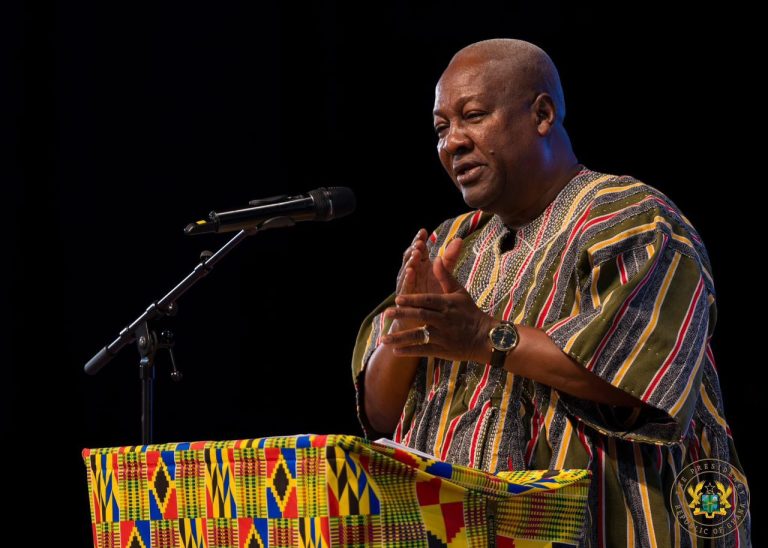
Speaking at the Financial Times Africa Summit in London on Wednesday, 21 October, he said Germany, France and other countries had approached Ghana for discussions. He described an approach that extends beyond financial compensation to include returning cultural artefacts and improving conditions for prosperity in the Global South. These are discussions, rather than a completed compensation agreement.
For Ghanaians and the wider African diaspora, that raises a more interesting question: what would meaningful repair actually look like?
Whose history is on display?
Imagine taking your child to a museum in Europe and finding objects connected to your own community’s history. They may be beautifully displayed but far from the people whose ancestors created and used them.
The debate about their return concerns ownership, access and who gets to tell the story.
Ghana’s Foreign Ministry has described the restitution campaign as a matter of dignity and identity. At a United Nations event in September, co-hosted with Germany and France, Mahama called for action to return African cultural property.
For families raising children abroad, these questions can feel personal. Heritage helps younger generations understand where they come from, beyond a flag, a surname or a holiday visit.
What could repair involve?
The wider campaign includes several possible measures. Ghana’s Foreign Minister said in September that its initial focus was the return of looted artefacts, with later stages potentially including formal apologies, debt relief and financial compensation.
Each raises practical questions. Which objects will return, and when? How will communities participate in decisions? If financial arrangements are made, who will benefit, and how will the results be measured?
Returning an object, cancelling debt and paying compensation are different actions. Clear explanations will matter as negotiations develop.
From speeches to practical steps
There is already an organisational framework in place for Ghana’s campaign.
In June, Mahama announced three international panels covering reparatory justice, cultural restitution and legal work. The Presidency said their purpose was to support research, education, the return of cultural heritage and legal pathways for action.
The test now is whether dialogue produces commitments that communities can see and assess.
For diaspora readers, this is a conversation about both the past and the future: how history is recognised, how culture is preserved and what responsibility should mean today.
A returned treasure can restore a missing part of a community’s story. An apology can acknowledge a wrong. Other measures may seek to address lasting economic consequences.
The question is what combination of actions would amount to meaningful repair—and who gets to decide.
About the Author