

African countries must create more opportunities for citizens living abroad to share their expertise and help strengthen universities, research and innovation, Ghana’s Technical Advisor to the Minister of Education, George K.T. Oduro, has said.
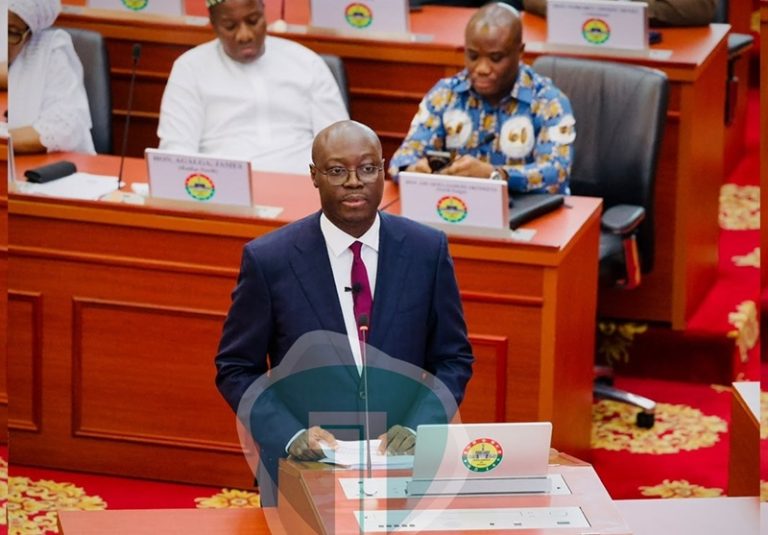
Speaking at the opening of the 2026 Carnegie African Diaspora Fellowship Programme (CADFP) Convocation in Accra, Prof. Oduro said African-born academics working overseas could make a significant contribution to institutions on the continent if effective channels for collaboration were established.
He said Africa had faced brain drain for many years, with some of its most talented academics leaving for institutions in the Global North. The challenge, he added, was to turn that loss into “brain circulation” by encouraging knowledge and expertise to flow back to local universities.
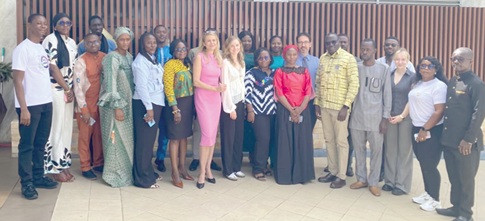
The three-day event began last Tuesday in Accra and runs to November 12. It is being organised by the Institute of International Education and the Association of African Universities.
Fellowship alumni, university leaders, academics and other programme stakeholders are attending the convocation, which is celebrating the initiative’s achievements and considering how academic partnerships between African institutions and the diaspora can be maintained.
Research priorities
Prof. Oduro said future fellowship activity should focus more closely on Africa’s development needs. He identified climate adaptation, renewable energy, public health, biomedical innovation, artificial intelligence, agriculture and food security as key priorities.
He also warned that the pursuit of global citizenship through higher education should not weaken African identity or cultural values.
“True global citizens are not rootless wanderers; they are deeply rooted in their heritage, contributing to the world from a place of cultural confidence and identity,” he said.
Prof. Oduro called on African governments and private sector organisations to increase their domestic investment in higher education research. Such funding, he said, would complement philanthropic support while ensuring that African institutions retained ownership of their academic partnerships.
He proposed three measures to make the collaborations part of university structures: incorporating joint programmes into curricula, expanding government and private sector funding for research, and creating lasting networks connecting African universities, research councils and diaspora academic associations.
Building lasting partnerships
Dr Thomas Songu, Head of Information Technology at the Association of African Universities (AAU), said universities needed to move beyond isolated links between individual academics and develop formal, sustainable institutional partnerships.
The success of the fellowship programme, he said, should not be judged solely by the number of awards granted or academic visits completed. Its longer-term impact should instead be assessed through the institutional benefits created by those exchanges.
“The real value lies in the institutional capacity and strength of research collaboration to sustain academic programmes, improve innovations and develop future generations of scholars,” he said.
Jonah Kokodyniak, Executive Vice-President of the Institute of International Education (IIE), announced the launch of the African Diaspora Fellowship Initiatives (ADFI).
The new initiative, operated by an independent not-for-profit organisation, will build on the CADFP’s work and support continued collaboration between African institutions, diaspora scholars and skilled professionals.
Mr Kokodyniak said the CADFP, established in 2013, had awarded more than 750 fellowships and involved more than 250 universities across Africa.
Ghana has been one of the programme’s main host countries, alongside Nigeria, Kenya and South Africa.
About the Author