
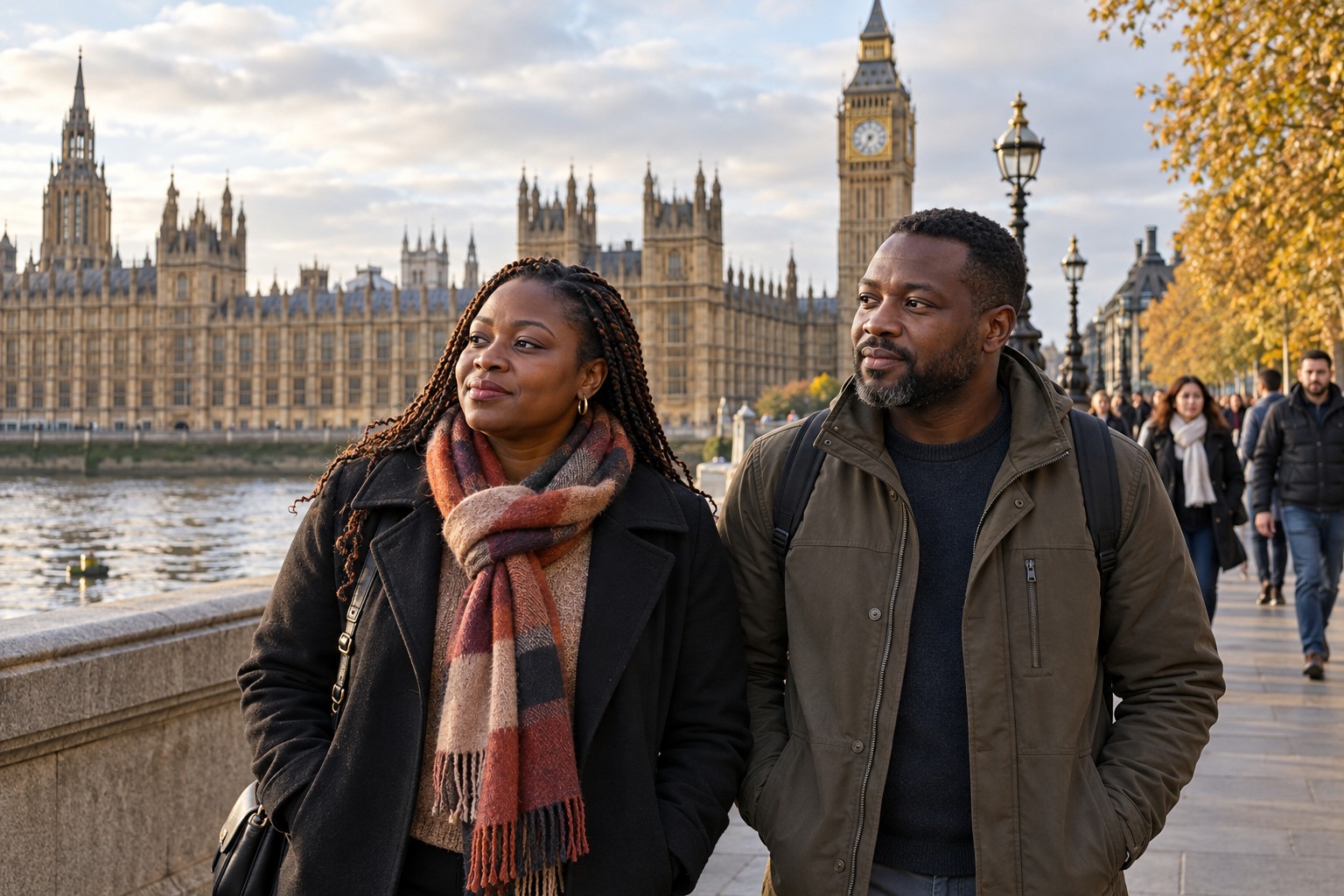
A headline about deportation can travel quickly through a family WhatsApp group. Before long, someone asks: does this affect my visa, my children or my right to stay in Britain?
Nigel Farage’s latest announcement makes that distinction particularly important.
The Reform UK leader said on Monday that his party would suspend the asylum system for up to five years if it wins the next general election. This is a political proposal—not a change to the law.
What is Reform proposing?
Reform says it would cancel pending asylum applications, reject new claims and seek to remove those affected to their home countries or a safe third country. Reuters reports that roughly 90,000 pending applications would be targeted.
Farage argues that tougher measures are needed to restore immigration control. Refugee charities warn that removals could expose people to persecution and serious harm.
The announcement leaves major questions about how such a policy would operate, including where people could be sent and how their circumstances would be assessed.
Asylum is not another name for immigration
For Ghanaian families in Britain, understanding the terms helps put the headline in context.
Asylum concerns protection for someone who cannot safely return to their country because they fear persecution. Official guidance distinguishes this from visas for work, study or joining family.
A Skilled Worker visa, for example, allows someone to do an eligible job with an approved employer, subject to the route’s requirements.
Settlement, often called indefinite leave to remain, and British citizenship are also distinct legal statuses, each with its own requirements.
These categories should not be bundled together whenever a politician talks about migration.
What does this mean for Ghanaians?
The proposed asylum freeze is not a Ghana-specific measure. Its direct relevance depends on a person’s circumstances, particularly whether they are seeking asylum.
Someone holding a work visa should not assume that an asylum announcement means their visa has been cancelled. Equally, a person with an asylum case needs information relevant to that case.
Monday’s announcement does not, by itself, change anyone’s immigration status.
That matters both to people living here and relatives in Ghana who may hear an alarming headline without the explanation.
Control, protection and the questions ahead
Governments face legitimate questions about managing borders, processing applications and maintaining public confidence.
They also face questions about how to protect people who cannot safely return home. A serious debate needs to examine both—and explain how proposed policies would work in practice.
For readers worried about their position, the useful starting points are their own immigration documents, current GOV.UK guidance and advice from a regulated immigration adviser or solicitor where needed.
For families building their lives in Britain, knowing the difference between a political promise and the law matters.
About the Author