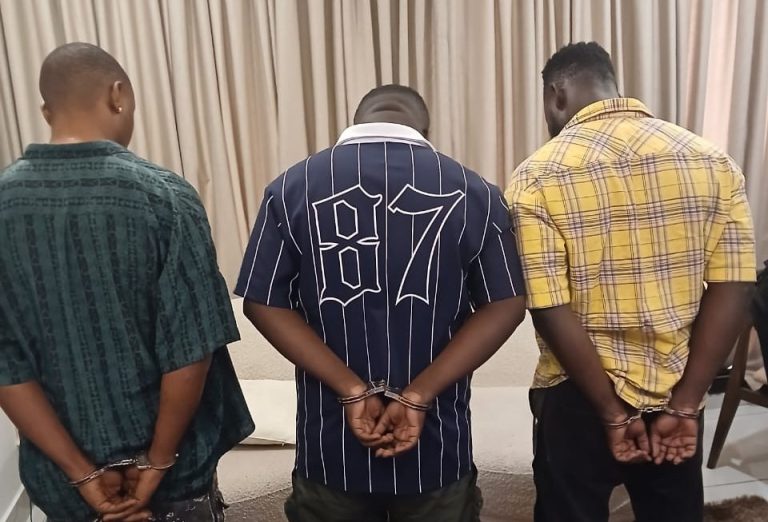

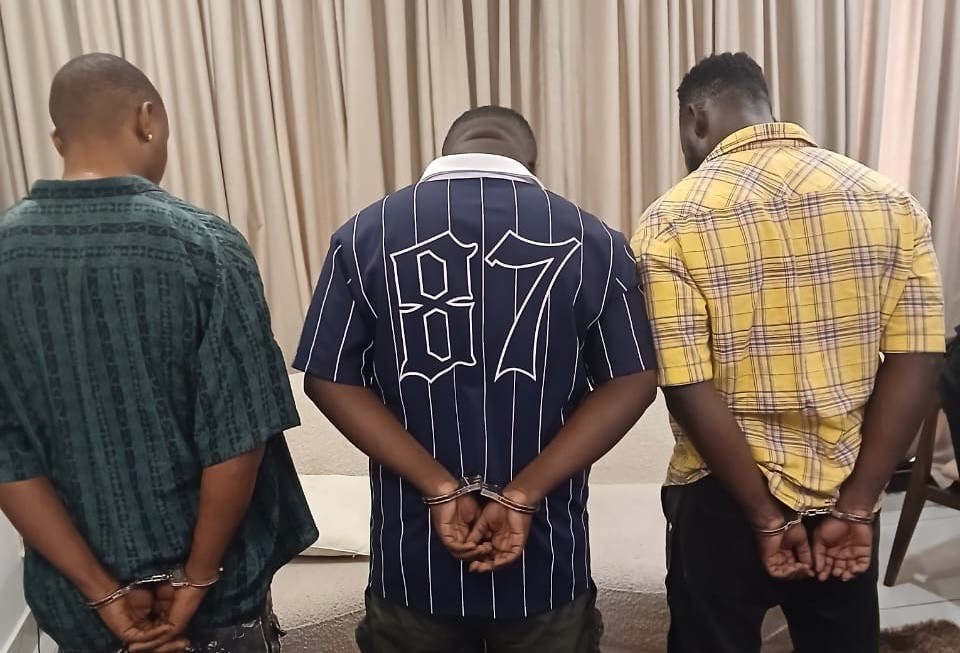
The United States Federal Bureau of Investigation has turned its global anti-fraud lens on Ghana, dismantling a major scam compound in the country and arresting more than 130 individuals in a fresh sweep under its Operation Blackout initiative.
FBI Director Kash Patel announced the operation on Thursday, October 8, 2026, in a post on X, describing it as part of a worldwide demolition of scam centres targeting American citizens. According to Patel, investigators working on the Ghana operation have so far identified nearly US$10 million in losses and traced 89 victims linked to the network. More than 300 devices were seized during the raids.
In his statement, Patel was blunt: “These scam compounds target American citizens and destroy lives – and this FBI is crushing them in every corner of the world. More to come.” He added that some of those detained in Ghana are not perpetrators but trafficked victims themselves, coerced into working in the compounds, who will be repatriated to their home countries.
The specific locations of the raids, the identities of those arrested, and the Ghanaian institutions that participated have not yet been publicly disclosed, and it remains unclear whether prosecutions will happen in Ghana or through extradition to the US.
What is Operation Blackout?
Operation Blackout is the FBI’s coordinated global campaign against transnational fraud networks operating through so-called scam compounds. Patel has described these compounds as large, fortified facilities where illegally moved workers are held and forced to conduct romance scams, cryptocurrency investment fraud, and other cyber-enabled fraud against foreign victims.
The bureau says the initiative has now led to roughly US$17 billion in fraud-related assets being seized globally, hundreds of arrests, and the freeing of thousands of trafficked workers. A parallel prevention programme, Operation Level Up, has contacted more than 10,000 potential American victims and prevented an estimated $670 million in losses by warning them before they transferred funds.
A Geographical Shift
A key warning in Patel’s announcement was about migration of crime. As law enforcement pressure mounts in traditional hubs like Cambodia, Myanmar and Laos, where scam cities have operated for years, criminal networks are shifting operations to new regions.
“And when these networks move—from Southeast Asia to the Middle East to Africa—we move with them,” Patel wrote in a separate briefing last month. The Ghana bust is the latest evidence of that shift into Africa.
Background: Growing Ghana-US Cooperation
The Ghana operation does not stand alone. It follows a pattern of deepening collaboration between Ghanaian and American authorities on cybercrime.
In a landmark case in July 2026, Ghanaian national Frederick Kumi, 31, popularly known as Abu Trica, was extradited to the United States after his arrest in Ghana in December 2025. Kumi faces charges of conspiracy to commit wire fraud and money laundering conspiracy, with US authorities alleging he was part of a network that targeted over 80 elderly Americans and defrauded them of more than US$8 million.
His arrest and transfer were facilitated by a joint team including Ghana’s Attorney-General’s Office, the Economic and Organised Crime Office (EOCO), the Ghana Police Service, the Cyber Security Authority, the Bureau of National Intelligence, BNI, and the FBI Legal Attaché Office in Accra.
That case set the template for the current operation, where Ghanaian security agencies are believed to have again provided ground support, even though official confirmation of participating institutions is still pending.
About the Author