

Proposals for England would set legal deadlines for landlords to tackle dangerous conditions. Here is why renters and landlords should pay attention.
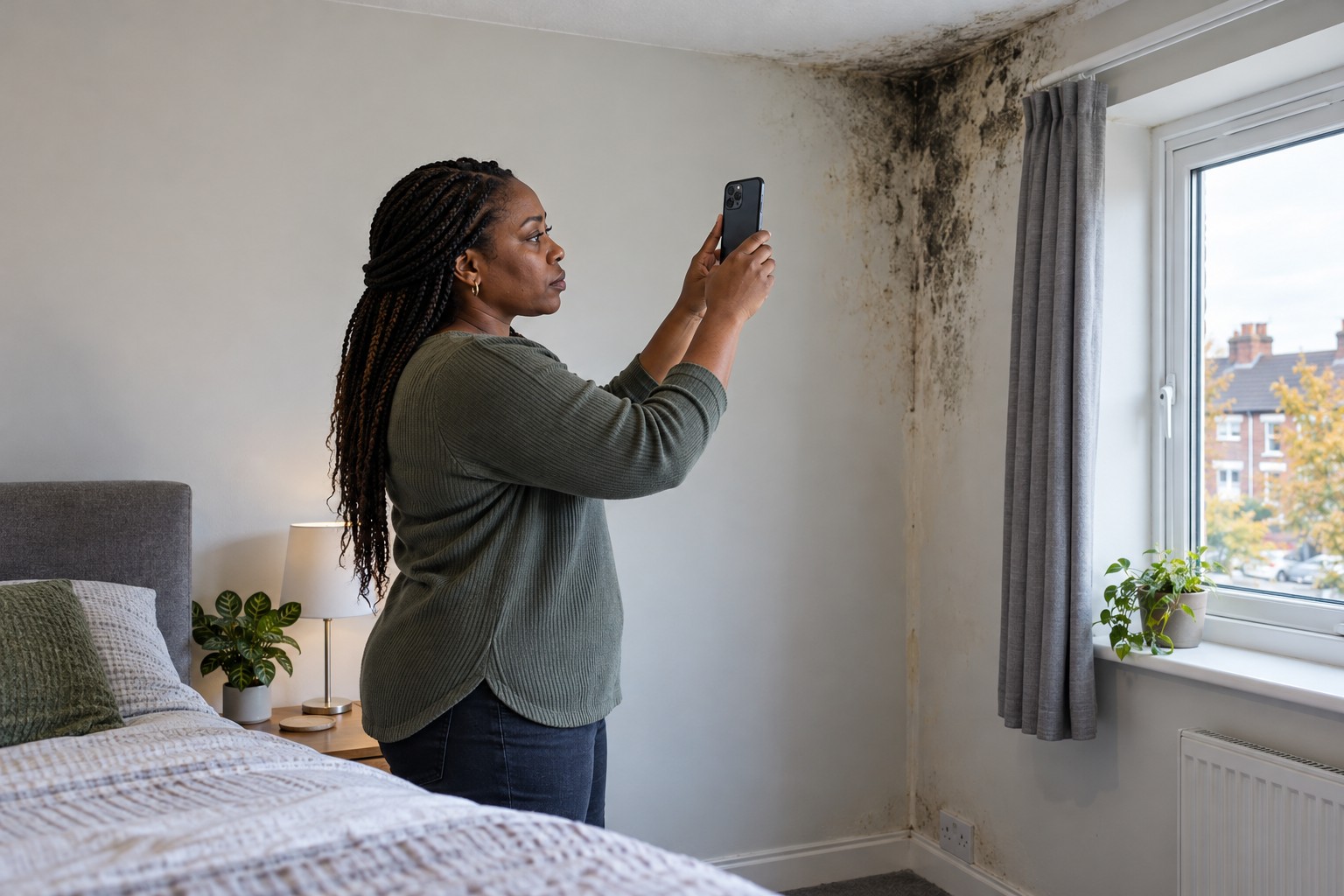
You clean the mould off the wall. A few weeks later, it is back. You tell the landlord, but the problem continues.
The government is now consulting on stronger protections for private renters in England, including deadlines for dealing with dangerous damp and mould.
The proposals would extend Awaab’s Law—rules requiring social landlords to investigate and address certain dangerous housing conditions within set times to private rented homes.
The extension is not yet in force. The consultation opened on 9 October and closes on 18 December 2026.
Why is it called Awaab’s Law?
The law is named after Awaab Ishak, a two-year-old boy who died in 2020 following prolonged exposure to mould in his family’s home.
Its first phase began applying to social housing in England in October 2025, covering serious damp and mould hazards and emergency hazards. Social housing includes homes rented from councils and housing associations.
The government now wants to establish how similar protections should work for people renting privately, including the deadlines and enforcement arrangements.
Why bring this to our community’s attention?
For Ghanaian and African families renting in England, this is about understanding what to expect when something is wrong with their home—and where to turn when reports do not lead to action.
It matters to landlords in our community too. A recurring damp problem needs proper investigation.
Government guidance says landlords should take concerns seriously, identify the underlying causes and address them promptly. Possible causes include building defects, inadequate heating or ventilation and poor energy efficiency.
“Open the window” does not settle the matter
Ventilation advice can help, but it does not explain every damp problem.
If mould keeps returning, the cause may remain unresolved. Wiping it away or painting over it is not proof that the underlying issue has been fixed.
Official guidance warns against blaming tenants’ normal domestic activities rather than investigating conditions in the property.
What can tenants do now?
You do not have to wait for the proposed changes to report a problem. Private landlords already have repair responsibilities, including the building’s structure and exterior, heating, hot water and specified installations.
If you have damp or mould:
- Report it in writing. Explain where it is, when it appeared and whether it has returned after previous work.
- Keep dated photographs. Save emails, messages and details of repair visits.
- Explain any health concerns. Make the landlord aware of relevant circumstances in your household.
- Ask what happens next. Request details of the investigation and expected repairs.
If the problem is not resolved, contact your council’s environmental health or private housing team. GOV.UK identifies the council as a source of help with potentially harmful housing conditions and advises tenants to continue paying rent while waiting for repairs.
Know which rules apply
The consultation concerns England. Housing rules differ across the UK.
Private renters should also avoid assuming that the specific deadlines already in place for social housing apply to their tenancy. The proposed extension still needs to be finalised.
Reporting damp should be the first step in getting it fixed. For the family living there, the real test is whether the cause is addressed—and whether the mould comes back.
About the Author