
A home should protect your health, safety and future.
United Nations Secretary-General António Guterres has called for greater action and investment to ensure everyone has a safe home, marking today’s International Day for the Eradication of Poverty.
This year’s focus, “Safe Homes for All,” highlights how unaffordable rents, insecure housing and homelessness can push people deeper into poverty.
Guterres warned that the consequences can affect health, disrupt education and make stable employment harder to secure. He called for affordable housing, basic services, decent work and social protection.
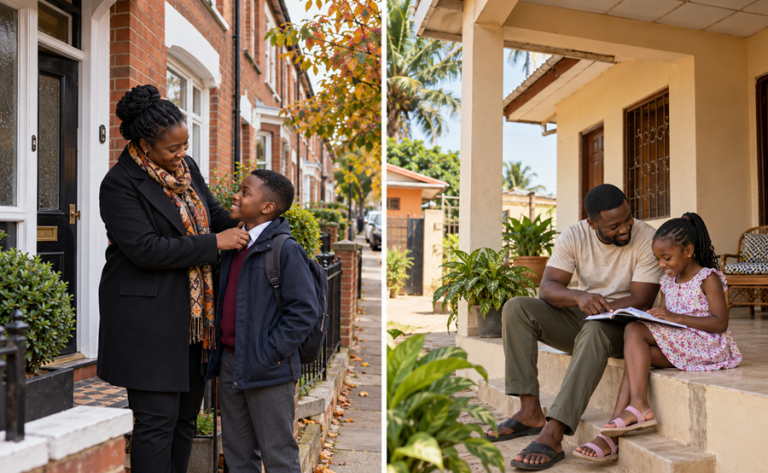
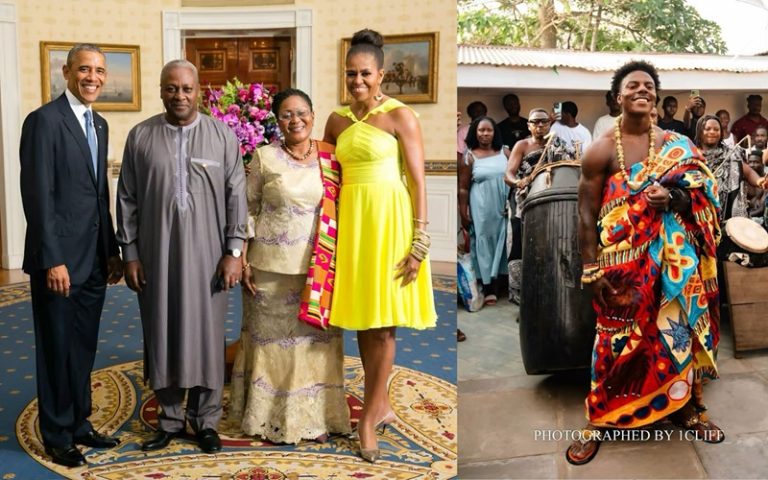
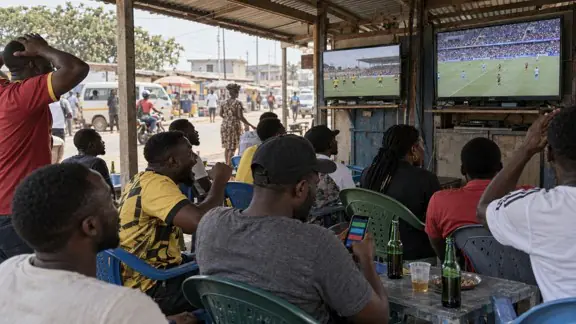
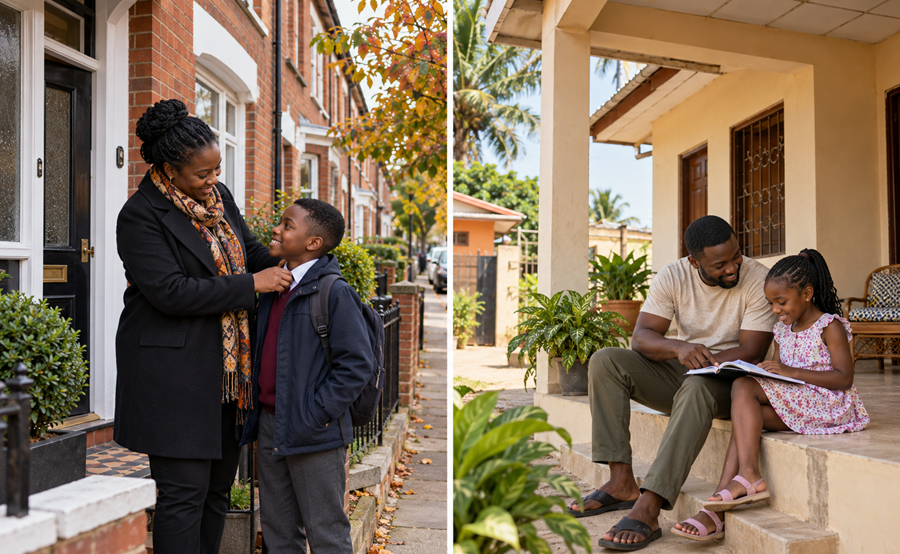
The message has meaning on both sides of the journey between Ghana and life abroad.
What makes a home safe?
The UN’s framework for adequate housing goes beyond a building’s appearance. It includes secure occupancy, affordability, basic services, enough space and protection from hazards. Location matters too.
Put simply, a home should be somewhere people can live without their health, safety or security being put at risk.
An expensive flat or a beautiful house does not automatically meet that standard.
For families living abroad
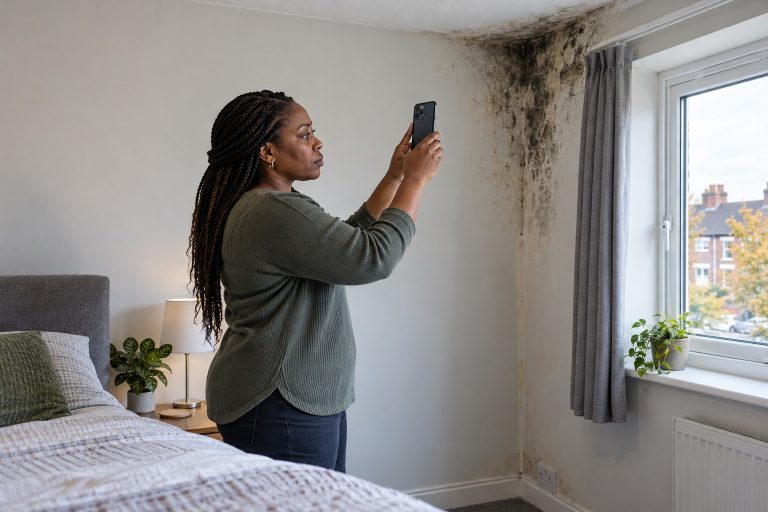
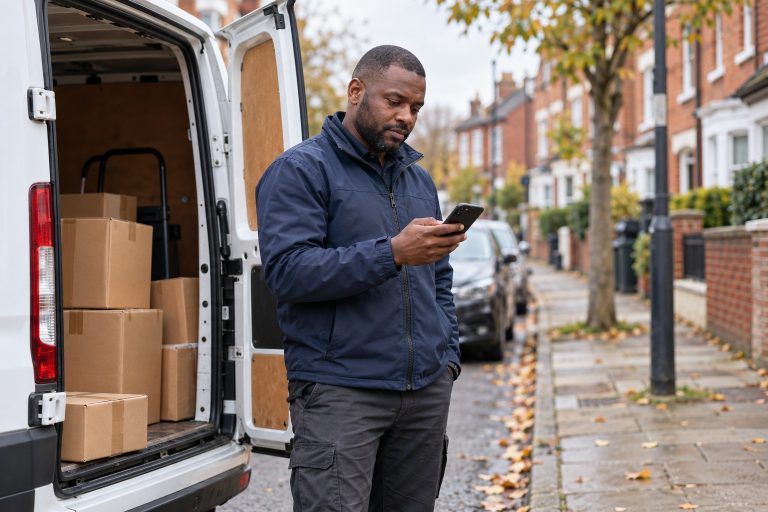
High housing costs can squeeze the money available for food, transport, savings and support for relatives. Overcrowding, unhealthy conditions or uncertainty about where you can call your home can make it difficult to feel settled.
These experiences are not shared by every Ghanaian abroad. But they remind us that living overseas does not, by itself, guarantee housing security.
Safe housing means being able to afford a suitable, secure and healthy home without sacrificing essentials such as food, energy and transport. That should mean the same thing whether a family lives in London, Accra or Kejetia.
For families living in Ghana
In Ghana, the same principle means looking beyond whether a family owns or rents its home.
A finished house still needs sound construction, safe wiring, sanitation and adequate ventilation. Its surroundings matter: drainage, flood exposure and access to essential services should be part of assessing whether it is suitable.
Consider a house that looks impressive but takes in floodwater during heavy rain. Or accommodation where an unsafe electrical installation remains unrepaired. The problem is more than inconvenience it can put the household’s safety and finances at risk.
Renters deserve these protections just as much as homeowners.
More than a household responsibility
Guterres’s message calls for stronger national action, international cooperation and financing. Safe housing cannot depend on individual effort alone.
Families can make informed decisions and report problems. Governments, housing providers and other responsible bodies must also play their part in making decent homes accessible.
Whether in Accra, London or a family whose life stretches between both, a safe home should provide a foundation for the future—not another route into hardship.
About the Author